Being invited to a wake or funeral in Japan can feel intimidating, especially if you are unfamiliar with Japanese customs. Many foreign residents worry about what to wear, what to say, or whether they might accidentally do something disrespectful.
The good news is that Japanese funeral customs are generally forgiving toward non-Japanese, and what matters most is sincerity and calm behavior.
This guide explains how Japanese wakes (otsuya) and funerals (ososhiki) usually work today, what you are expected to do as a guest, and how to behave comfortably and respectfully—without overthinking every detail.
Wake (Otsuya) in Japan
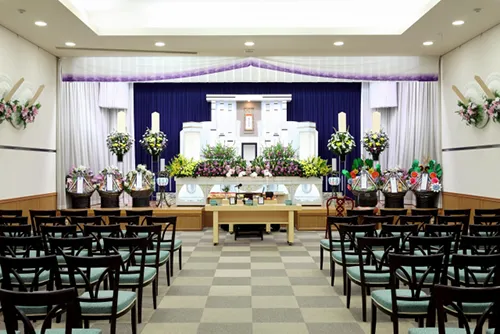
What a Wake Is and What It’s For
In Japan, the wake (otsuya) is traditionally held on the evening before the funeral. It was originally meant as an all-night vigil where family and close friends stayed with the deceased.
Today, however, most wakes last only a few hours in the early evening and are attended by a wide range of people, including colleagues, neighbors, and acquaintances.
For many people, the wake is actually the main opportunity to pay respects, especially if they cannot attend the funeral the next day.
Attending a Wake as a Guest
You do not need a special invitation to attend a wake if you are connected to the deceased through work, school, or community. If you hear about it through official channels, attendance is usually welcome.
Upon arrival, you will typically:
- Enter quietly
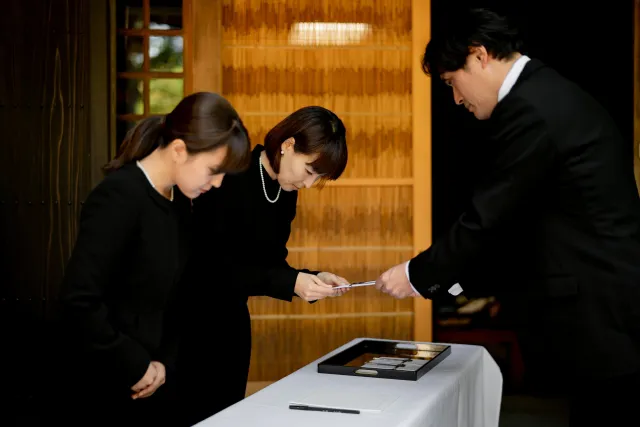
- Register your name at the reception desk
- Offer condolence money if appropriate
- Wait to be guided to your seat
There is no pressure to stay for the entire event. Many guests attend briefly, offer incense, and leave after paying respects.
What to Wear to a Wake
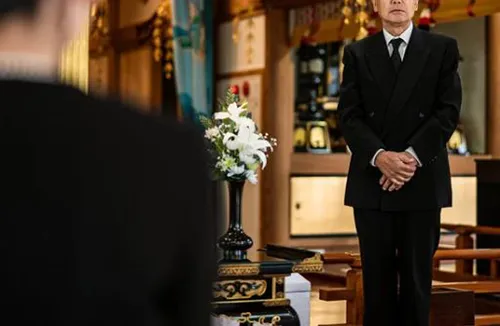
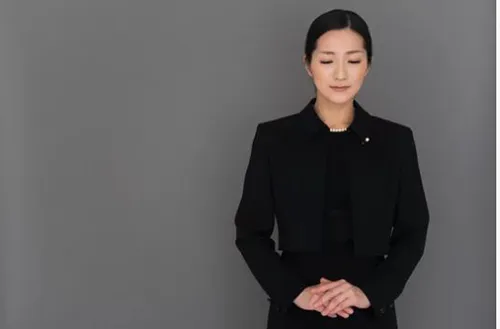
Black formal clothing is standard for wakes in Japan, though expectations are slightly more relaxed than for funerals.
For men, this usually means:
- A black or very dark suit
- White shirt
- Black tie
- Black shoes and socks
For women:
- A black dress or dark formal outfit
- Minimal accessories
- Black or dark shoes
Avoid flashy jewelry, strong perfume, bright colors, or casual wear. If you do not own formal black clothing, dark and simple attire is generally acceptable, especially for foreigners.
What Happens During the Wake
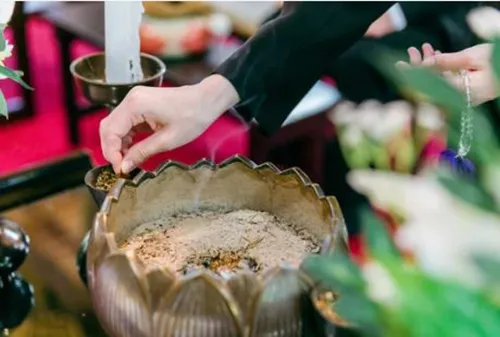
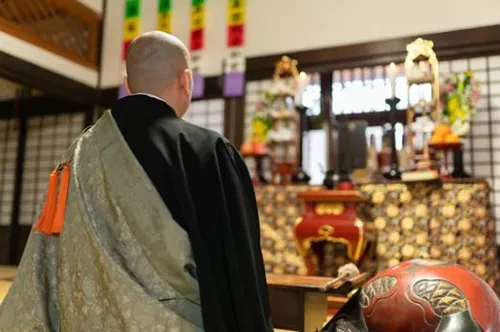
The wake is quiet and structured, but not rigid. A Buddhist priest often chants sutras while guests sit silently. At some point, guests are invited one by one to offer incense.
After the formal portion, family members may host a light meal or refreshments. Guests are usually invited to join, but it is polite to keep conversation subdued and leave after a short time.
Offering Incense (Oshoko) at a Wake
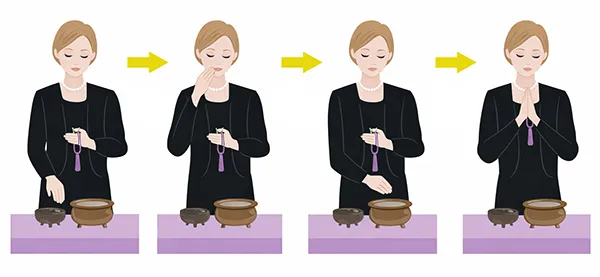
When it is your turn:
- Make a respectful bow and step forward toward the altar.
- Using your right hand, take a small pinch of incense with your thumb, index finger, and middle finger.
- While supporting your right hand lightly with your left, raise the incense to about eye level as an offering(In Jōdo Shinshū Buddhism, this lifting gesture is skipped and the incense is placed directly into the burner).
- Gently place the incense into the incense burner.
- Bring your hands together in a brief prayer, bow once more, and quietly return to your seat.
The exact number of times incense is offered can vary by Buddhist sect, but following others is perfectly acceptable. No one expects foreigners to know every variation.
Funeral (Ososhiki) in Japan
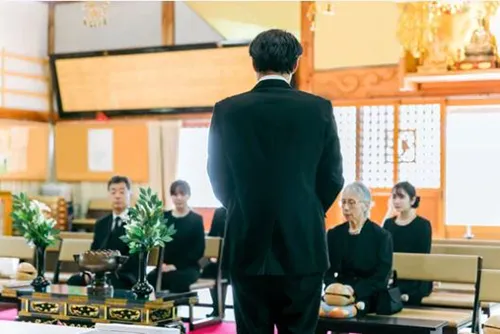
What a Funeral Is Like
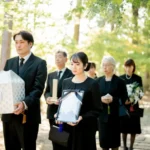
The funeral (ososhiki) is usually held the day after the wake and is more formal. Attendance may be limited to closer family, relatives, and selected guests.
If you are invited to the funeral, it generally means your presence is valued. Funerals take place in funeral halls, temples, or occasionally private homes.
Dress Code for Funerals
The dress code for funerals is stricter than for wakes.
Black formal wear is expected, and casual substitutes are less acceptable. This applies even if you attended the wake the night before. Hair should be neat, makeup understated, and accessories minimal.
If you are unsure, err on the side of simplicity rather than elegance.
What Happens During the Funeral Ceremony
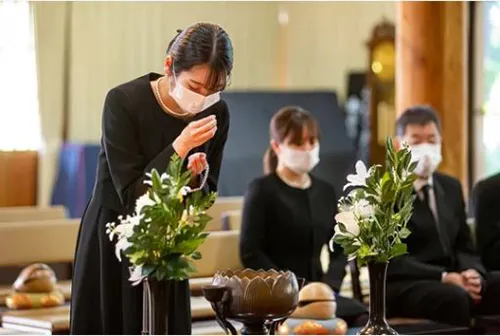
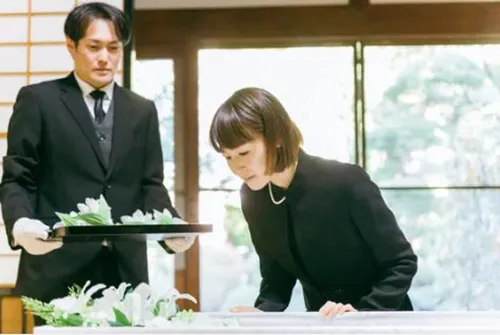
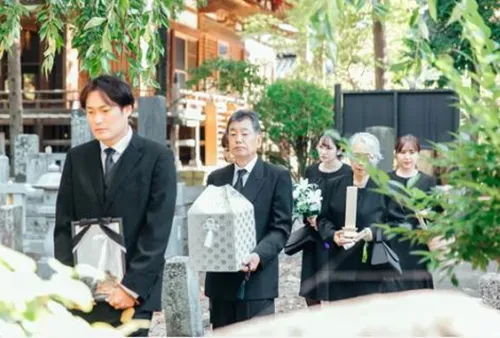
The funeral follows a similar structure to the wake but is more solemn. A priest chants sutras, family members sit closest to the altar, and guests are seated behind them.
Guests are called forward in order to offer incense. After the ceremony, there may be a farewell moment where family members approach the coffin.
In many modern funerals, cremation follows shortly afterward, though guests usually do not attend the cremation unless they are close family.
How to Behave During the Funeral
Silence and stillness are valued. Phones should be turned off completely. Avoid whispering, unnecessary movement, or emotional displays that draw attention.
Showing emotion is not forbidden, but Japanese funerals emphasize quiet composure. Simply being present and respectful is enough.
→Learn more about funeral costs in Japan
Wake vs Funeral: Key Differences
While wakes and funerals are distinct, they serve complementary purposes.
The wake is often:
- In the evening
- More flexible for attendance
- Shorter for guests
The funeral is:
- Held during the day
- More formal
- More emotionally significant for the family
In recent years, some families combine or simplify these events due to cost, time, or personal preference. You may encounter a single condensed ceremony instead of separate events. Instructions provided by the family or venue should always take priority.
Combined Funeral and Farewell Ceremony (Kokubetsushiki)
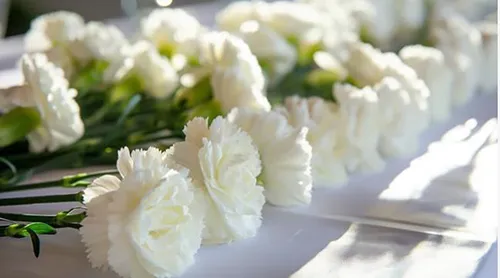
A kokubetsushiki is a farewell ceremony where friends, colleagues, and acquaintances say their final goodbyes to the deceased. Traditionally, it was held separately from the main funeral, which was more religious and focused on family rituals.
In recent years, however, the elements of the funeral and the farewell ceremony are often combined into a single event. This is commonly referred to as a “Funeral and Farewell Ceremony,” and it reflects modern schedules and practical considerations. Guests usually attend this combined ceremony without needing to distinguish between the two.
Condolence Money (Koden)
Should Foreigners Bring Condolence Money?
Condolence money is common in Japan, but foreigners are not always expected to bring it. That said, if you are attending as a colleague or close acquaintance, it is appropriate.
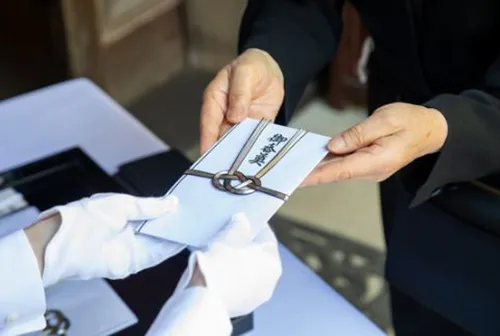
Money is placed in a special envelope and handed in at reception. New bills should be avoided; slightly used bills are preferred.
If you are unsure, observing what others do or asking a Japanese colleague privately is perfectly acceptable.
What to Say (and Not Say)
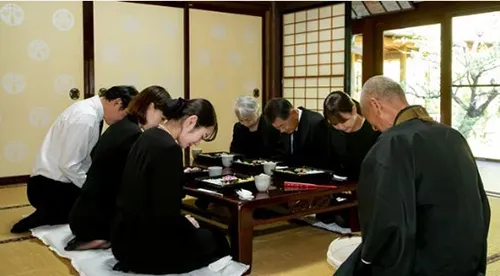
Condolences in Japan are simple and restrained. Long speeches are unnecessary.
Common phrases include:
- “I am sorry for your loss.”
- “Please accept my condolences.”
Avoid:
- Talking about the cause of death
- Offering optimistic phrases about the future
- Comparing losses
Sometimes, saying very little is the most respectful choice.
Spending Time at the Venue
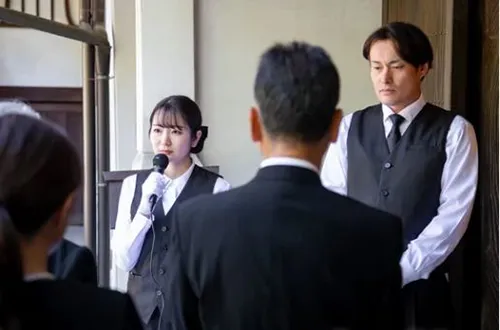
Japanese wakes and funerals often involve waiting periods. Sitting quietly, observing others, and following subtle cues is normal.
If you are unsure where to sit or what to do, staff or family members will usually guide you. There is no need to rush or feel awkward about waiting silently.
Frequently Asked Questions
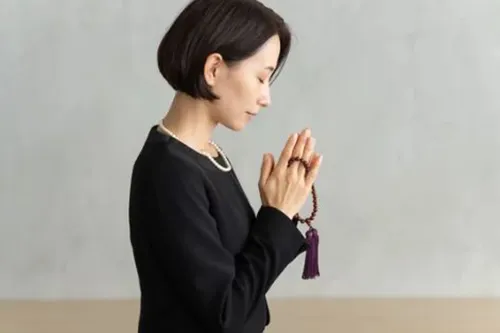
Do I need to bring or wear Buddhist prayer beads (juzu)?
No. While many Japanese attendees bring prayer beads, they are not required, especially for foreigners. If you do not have them, it is perfectly acceptable to attend without them. Simply behaving respectfully is more important than having the correct items.
Should I give condolence money (kōden) both at the wake and at the funeral?
No. In most cases, condolence money is given only once, even if you attend both the wake and the funeral. It is usually offered at the first ceremony you attend. Giving it again at the second ceremony is not expected and may feel excessive.
How much condolence money (kōden) should I give?
The typical amount depends on your relationship with the deceased. For colleagues or acquaintances, ¥3,000–¥5,000 is common, while closer relationships often give around ¥10,000. There is no strict rule, and foreigners are not expected to follow these amounts perfectly. If you are unsure, choosing a modest amount is generally acceptable.
Can I attend only the wake or only the funeral?
Yes. Attending either one is acceptable unless specifically instructed otherwise.
Is it okay to leave early?
Yes. Leaving quietly after offering incense is common.
Final Thoughts
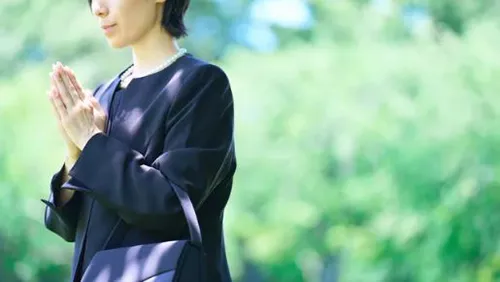
Attending a wake or funeral in Japan can feel unfamiliar, but the core values are simple: respect, calmness, and sincerity. You are not expected to understand every custom perfectly. By dressing appropriately, behaving quietly, and following the flow of the ceremony, you can participate respectfully without anxiety.
For many families, your presence itself is meaningful. As long as you approach the occasion with care and humility, you are doing enough.
Thank you for reading.
→Experience Japanese Zen Meditation