
Moving to a new home in Japan involves more than packing boxes and booking a moving truck. One of the most important parts of the process is managing your home utilities and infrastructure — stopping services at your old address and starting them smoothly at your new one. These procedures are generally straightforward, but the timing, required information, and whether someone needs to be present can vary depending on the service. Understanding how this works in advance can save you stress, unexpected fees, and uncomfortable gaps without electricity or internet.
This guide walks through everything you need to know about arranging electricity, gas, water, and internet when moving in Japan. It explains what to do, when to do it, and what to prepare, so your move can be as smooth as possible.
(This article contains affiliate links. As an Amazon Associate, we may earn from qualifying purchases.)
Understanding Utility Procedures When Moving in Japan

In Japan, utilities are usually contracted by the resident, not bundled automatically with the property. This means that when you move, you are responsible for contacting each provider to stop services at your current address and to start them at your new one. Even if you stay with the same company, the address change itself requires formal notification.
Most procedures can be completed online or by phone, and many providers now offer English-language support. However, gas service still often requires an in-person visit for safety reasons, which makes scheduling especially important.
The four main services you will need to manage are electricity, gas, water, and internet. Some people may also need to handle garbage collection registration or cable TV, but those depend on the area and lifestyle.
Overall Timeline and Best Timing
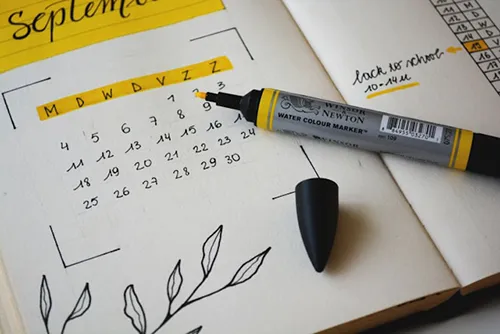
Before looking at each service in detail, it helps to understand the ideal overall schedule. In general, you should start planning utility changes as soon as your moving date is confirmed.
Around two to three weeks before moving is the best time to begin contacting providers, especially during busy seasons such as March and April. This allows you to secure your preferred dates and avoid last-minute complications.
Electricity and water can often be arranged just a few days in advance, but gas and internet are more sensitive to scheduling availability. Internet installation, in particular, may take several weeks if new construction or line work is required.
Electricity: Stopping and Starting Service
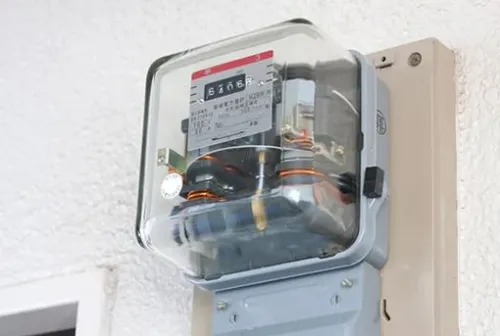

Electricity in Japan is divided by region, with major companies serving specific areas. When you move within the same region, you may be able to keep the same provider, but you still need to submit a move-out and move-in request.
When to Apply
It is recommended to contact your electricity provider about one to two weeks before your moving date. In many cases, applications made up to three days before moving are accepted, but earlier is safer during peak seasons.
How to Apply
Most electricity companies allow you to submit move requests online through their website. You will typically need your customer number, current address, move-out date, new address, and desired start date. Phone applications are also possible, and some companies provide English support lines.
If you are moving into a new apartment, electricity can often be turned on automatically on the start date without anyone present. You may simply need to flip the breaker switch when you arrive.
Presence Requirement
In most cases, no in-person attendance is required for electricity, either for stopping or starting service. Exceptions may occur in older buildings or special contract types, but these are rare.
Documents and Information to Prepare
Prepare a recent electricity bill or online account access so you can confirm your customer number. Having your move-in address written exactly as shown on your lease helps avoid errors.
Reference link: TEPCO Energy Partner (for the Kanto region)
Gas: The Most Time-Sensitive Utility
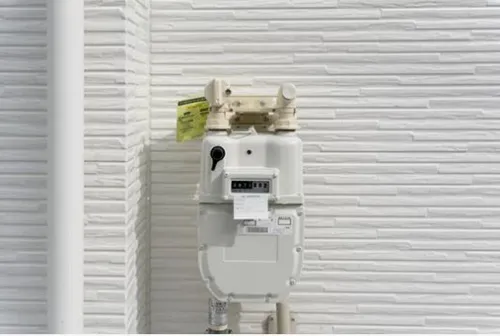
Gas service in Japan is treated with extra care for safety reasons. Whether you use city gas or propane gas, starting service almost always requires a technician visit.
When to Apply
Gas providers should be contacted at least two weeks before your move, and earlier if possible. During busy moving seasons, appointment slots can fill quickly.
How to Apply
Applications can be made online or by phone. You will need to provide personal information, your current and new addresses, moving dates, and sometimes your desired time window for the visit.
For move-out, gas can usually be stopped without your presence, but starting service is different.
Presence Requirement
Someone must be present at the new address when gas service is started. The technician will inspect the equipment, explain basic safety usage, and then open the gas supply. This appointment typically takes 20 to 40 minutes.
If you cannot attend personally, a trusted adult can attend on your behalf, but this should be confirmed with the gas company in advance.
Documents and Information to Prepare
Have your ID, lease agreement, and gas appliance information available if requested. Some companies may also ask how you plan to pay, such as bank transfer or credit card.
Reference link: TOKYO GAS (for the Kanto region)
Water: Simple but Essential
Water service is managed by the local municipal water bureau rather than a private company. Procedures are usually straightforward.
When to Apply
Water service can often be arranged closer to your moving date, about one week in advance. Some municipalities allow same-day or next-day applications, but earlier is still recommended.
How to Apply
Applications are typically done through the local water bureau’s website or by phone. English support varies by city, but online forms are often manageable with translation tools.
You will need your address, move-in and move-out dates, and your name as registered on the lease.
Presence Requirement
In most cases, no one needs to be present for water service to start or stop. Water is usually available immediately on the start date.
Documents and Information to Prepare
A lease agreement or move-in notice is useful for confirming the address. Keep any confirmation numbers provided after applying.
Reference link: Bureau of Waterworks (for the Tokyo region)

Internet: Planning Ahead Is Critical
Internet service is often the most complex part of setting up a new home in Japan. The process depends on whether your new residence already has an installed line and whether you are changing providers.
When to Apply
Ideally, you should begin arranging internet service one month before moving. In some cases, installation can take even longer, especially in newly built apartments or detached houses.
How to Apply
You can apply online or through a sales representative. You will need to confirm whether your building supports fiber optic service and whether construction work is required.
If you are keeping the same provider, an address change request may be sufficient. However, equipment may still need to be returned or replaced.
Presence Requirement
If installation work is required, someone must be present. This appointment can take one to two hours. If no construction is needed, service may activate remotely.
Documents and Information to Prepare
Prepare your ID, bank or credit card details, and building information. Your landlord or management company may need to approve installation work.
Things to Watch Out For
When switching your internet service due to a move, be sure to check whether your current contract includes a discounted plan with a two-year or three-year commitment. These types of plans often charge an early termination fee if you cancel outside the designated contract renewal month or the months immediately before or after it.
Address Changes and Related Procedures
In addition to utilities, you should also update your address with local government offices and any services linked to your address.
Registering your new address at the city or ward office is legally required and should be done within 14 days of moving. This address update often affects health insurance, residence cards, and other public services.
Some utility companies may cross-check address registration, so completing this step promptly is important.
→For more details about the Japanese residence certificate, please see here.
Common Mistakes and How to Avoid Them

One common mistake is assuming utilities transfer automatically with the lease. In Japan, this is rarely the case. Another frequent issue is waiting too long to schedule gas or internet, leading to delays.
Keeping a simple checklist with application dates and confirmation numbers can help prevent oversights. Taking photos of meters on move-out day is also a good habit in case of billing questions.
Frequently Asked Questions

What happens if I forget to stop utilities at my old address?
You may continue to be billed until the service is officially stopped. Contact the provider as soon as possible if this happens.
Can I start utilities before my official move-in date?
In some cases, yes, especially if you need electricity or water for cleaning. This depends on your lease start date and provider policies.
Are utilities included in rent in Japan?
Generally, no. Utilities are usually paid separately by the tenant, unless stated otherwise in the contract.
Is English support always available?
Not always, but many major providers offer English websites or phone support, especially in urban areas.
Hands-On Japanese Cultural Experience
Summary: A Smooth Transition to Your New Home

Managing utilities when moving in Japan may seem complicated at first, but with proper timing and preparation, it becomes a manageable process. Start early, especially for gas and internet, prepare your information in advance, and confirm whether attendance is required.
By understanding how each service works and planning ahead, you can focus on settling into your new home comfortably, without unnecessary interruptions or stress. A little organization goes a long way toward making your move in Japan a positive experience.
Thank you for reading.