

Living in Japan comes with a variety of administrative procedures, and one of the most important documents you will encounter is the residence certificate known as the jūminhyō. While it may sound intimidating at first, understanding how it works will make daily life in Japan much smoother—from signing a lease to enrolling your child in school. This article explains what a jūminhyō is, how to obtain it, when you will need it, and what types are available, all in a practical and easy-to-follow way.
What Is a Jūminhyō (Residence Certificate)?
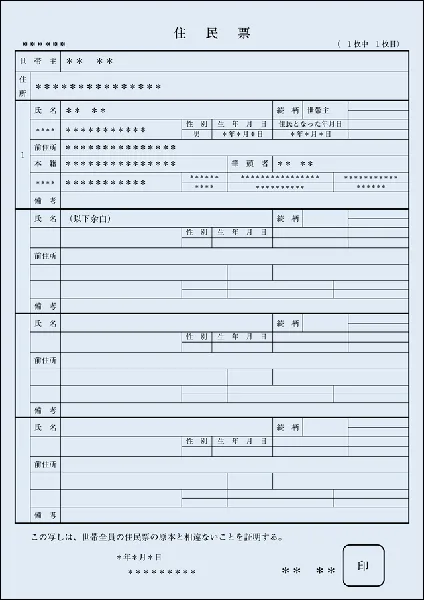
A jūminhyō is an official municipal record that proves your registered address in Japan. It is issued by the local city, ward, town, or village office where you live. Unlike a residence card, which is issued by immigration authorities and shows your legal status of stay, the jūminhyō is managed by local governments and focuses on where you actually reside.
Once you move into a municipality and complete your address registration, your information is recorded in the Basic Resident Register. The jūminhyō is a certified copy or extract of that record. It is commonly used as proof of address and household composition, and it plays a central role in many administrative and everyday procedures.
For foreign residents, being properly registered and having access to a jūminhyō is essential. Without it, many services and contracts in Japan become difficult or impossible to complete.
Who Needs a Jūminhyō?
In principle, anyone who has established a residence in Japan and completed address registration at their local municipal office will have a jūminhyō. This includes:
Foreign nationals with a mid- to long-term residence status who live in Japan Permanent residents Spouses and dependents residing in Japan
Short-term visitors, such as tourists or business travelers staying for less than three months, are not eligible because they do not register an address in the resident system.
If you are living in Japan for work, study, or family reasons, your jūminhyō becomes one of your most frequently requested documents.
How to Register Your Address and Create a Jūminhyō

Your jūminhyō is created automatically after you register your address with the local government. This process usually takes place soon after you move into a new home.
1. Registering After Moving In
When you move to a new address, you must visit the municipal office of your new location, generally within 14 days of moving in. At the counter, you submit a moving-in notification and present your residence card and passport. After your address is recorded, your jūminhyō becomes available for issuance.
2. Moving Within Japan
If you move from one city or ward to another, the process involves two steps. First, you submit a moving-out notification at your old municipal office. Then, after moving, you register at the new office. Your jūminhyō will be transferred and updated accordingly.
3. Household Registration
In Japan, the concept of a “household” is important. Your jūminhyō may list you as part of a household with family members, or as a single-person household. This classification can affect certain procedures, such as family-related applications or benefits.
Where and How to Obtain a Copy of Your Jūminhyō
Once your address is registered, you can request an official copy whenever you need one.
Municipal Office Counters
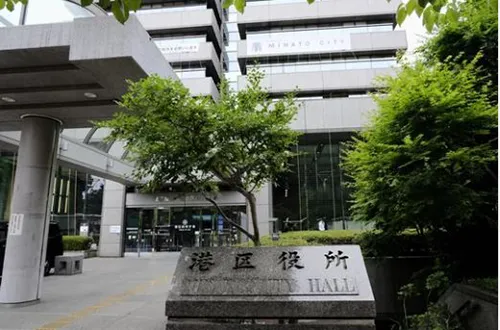
The most common place to obtain a jūminhyō is the city, ward, town, or village office. You fill out a request form, show identification, and pay a small fee. Processing is often quick, and you usually receive the document on the same day.
Convenience Store Issuance
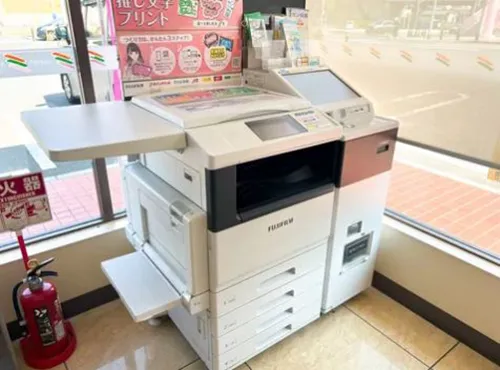
In many municipalities, jūminhyō copies can be issued at convenience stores using a My Number Card. This option is available outside regular office hours and is especially convenient for busy schedules. Availability and details vary by municipality, so it is worth checking local rules.
Learn more about My Number here
By Proxy or Mail
If you cannot visit in person, it may be possible to request a copy by mail or through a representative. This typically requires additional paperwork, such as a letter of authorization and copies of identification documents.
When Do You Need a Jūminhyō?

The jūminhyō is used in a wide range of situations, both official and practical. While requirements vary depending on the institution, it is commonly requested for the following purposes.
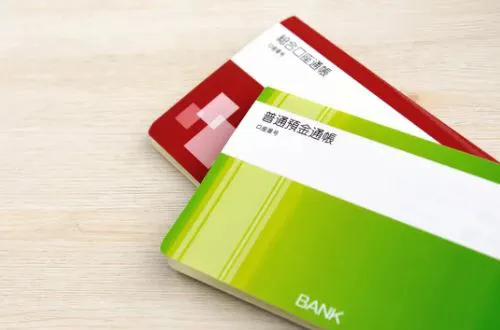
Opening a bank account or updating bank records Signing or renewing a rental agreement Applying for utilities such as electricity, gas, or water Enrolling in national health insurance or pension systems Registering a child for school or daycare Applying for certain visas or immigration-related procedures Changing or registering a driver’s license
Because it reflects your current address and household information, the jūminhyō is often considered one of the most reliable forms of proof of residence in Japan.
Types of Jūminhyō and Common Options
There is more than one way a jūminhyō can be issued. When you request a copy, you may be asked which details you need included.
1. Individual vs. Household Copy
An individual copy lists only your personal information. A household copy includes information about all members registered at the same address. The appropriate choice depends on the purpose of use.
2. With or Without My Number
Your jūminhyō can include or exclude your My Number (the Japanese personal identification number). Many organizations specifically request a version without My Number for privacy reasons. Always confirm which version is required before requesting it.
3. Special Certificates
In some cases, you may need a jūminhyō that includes additional details, such as your previous address history or relationship to the household head. These options can usually be selected on the request form.
Information Shown on a Jūminhyō
A typical jūminhyō contains the following information:
Your full name Date of birth Gender Current address Date you moved in Residence status (for foreign residents) Household relationship
The exact layout may vary slightly by municipality, but the core information remains consistent nationwide.
Fees and Processing Time
The fee for issuing a jūminhyō is relatively low, usually a few hundred yen per copy. Convenience store issuance may be slightly cheaper in some areas. Processing time is often immediate when requested in person, making it a fast solution when documents are needed urgently.
Common Mistakes and Points to Keep in Mind
One common issue is requesting the wrong type of jūminhyō. For example, submitting a version with My Number when it is not required can lead to rejection or unnecessary resubmission. Another frequent mistake is using an outdated copy; some institutions require a jūminhyō issued within the last three or six months.
It is also important to keep your address registration up to date. Failing to report a move can cause problems with mail delivery, insurance, taxes, and other administrative matters.
Q&A: Frequently Asked Questions About Jūminhyō
Q1. Is a jūminhyō the same as a residence card?
No. A residence card proves your legal status of stay and is issued by immigration authorities. A jūminhyō proves your registered address and is issued by your local municipality. They serve different purposes and are often required together.
Q2. Can I get a jūminhyō in English?
Most jūminhyō are issued only in Japanese. Some municipalities provide limited English support at counters, but the document itself is typically in Japanese. If an English explanation is needed, unofficial translations may be accepted depending on the situation.
Q3. How long is a jūminhyō valid?
There is no fixed expiration date, but many organizations require a recently issued copy. Always check how recent the document must be for your specific application.
Q4. What happens if I move and forget to update my address?
If you fail to update your address, your jūminhyō will no longer reflect your actual residence. This can lead to administrative issues and, in some cases, penalties. Updating promptly helps avoid complications.
Summary: Why the Jūminhyō Matters

The jūminhyō is one of the most important documents for anyone living in Japan. It connects you to local government services, supports daily administrative needs, and serves as official proof of where you live. While the system may feel unfamiliar at first, understanding how to register your address, obtain copies, and choose the correct type will save time and reduce stress.
By keeping your information up to date and knowing when and how to use your jūminhyō, you can navigate life in Japan with greater confidence and ease.
Thank you for reading.
Discover Japanese Culture in Hands-On Workshops