
Turning twenty is an important milestone in Japan. It marks the moment when a young person is officially recognized as an adult by society, with new rights, responsibilities, and expectations. To honor this transition, communities across Japan hold a formal celebration known as Seijin Shiki, or the Coming-of-Age Ceremony.
Although the event lasts only a few hours, it reflects deep cultural values about adulthood, social belonging, and respect for tradition. For anyone living in Japan or curious about Japanese culture, learning about Seijin Shiki is a great way to understand how Japan thinks about adulthood and community.
What Is Seijin Shiki?

Seijin Shiki (成人式) is a ceremonial event held by local governments to celebrate people who have reached adulthood. In Japan, the legal age of adulthood was lowered from 20 to 18 in 2022, but Seijin Shiki is still primarily held for those who turn 20 years old during the designated year.
Rather than being a private family celebration, Seijin Shiki is a public, community-based event. Municipalities invite eligible residents to attend a formal ceremony, usually held once a year.
At its core, Seijin Shiki is about recognition. Society acknowledges young people as adults, while also encouraging them to act responsibly and contribute positively to their communities.
The Cultural Meaning Behind the Ceremony

Becoming an adult in Japan has traditionally meant more than reaching a certain age. It implies social responsibility, independence, and awareness of one’s role in society.
Historically, rites of passage marking adulthood existed long before modern Seijin Shiki. Samurai families, for example, held ceremonies where young men changed hairstyles and clothing to signify adulthood. Modern Seijin Shiki evolved from these ideas and became standardized after World War II as a way to encourage hope and responsibility among young people during national rebuilding.
Today, while lifestyles have changed, the ceremony still reflects these ideas:
- Gratitude toward family and society
- Awareness of civic duties
- A fresh start as an independent adult
When and Where Seijin Shiki Takes Place

Timing of the Ceremony
Seijin Shiki is usually held on Coming-of-Age Day, a national holiday celebrated on the second Monday of January. Some municipalities may hold ceremonies on nearby dates for logistical reasons, but January remains the standard season.
Locations
Ceremonies are organized by local governments and typically take place in:
- City halls or ward offices
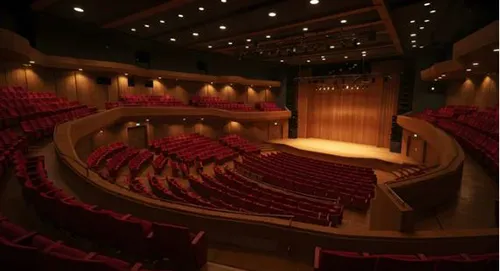
- Public halls or community centers
- Large auditoriums or sports arenas
Participants attend the ceremony hosted by the municipality where they are officially registered as residents, even if they currently live elsewhere.
What Happens During Seijin Shiki?

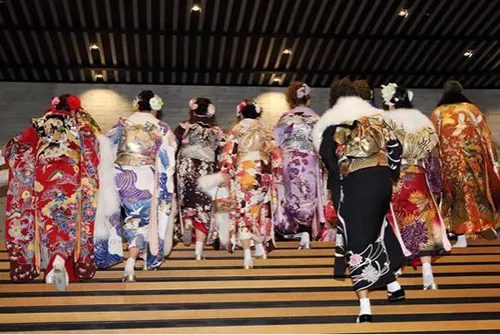
The ceremony itself is formal but relatively short, often lasting about one to two hours.
A typical program includes:
- Opening remarks by local officials
- Congratulatory speeches from the mayor or council members
- Messages encouraging civic responsibility and personal growth
- Occasionally, short performances or video presentations
While the official event is restrained and dignified, the atmosphere outside the venue is lively. Participants gather with friends, take photos, and celebrate together after the ceremony, often going out for meals or parties later in the day.
Traditional and Modern Attire
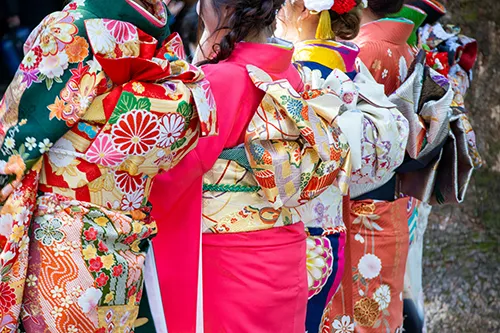
One of the most striking aspects of Seijin Shiki is the clothing. Attire plays a major role in expressing both tradition and individuality.
Kimono for Women
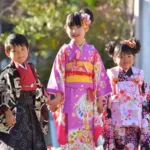
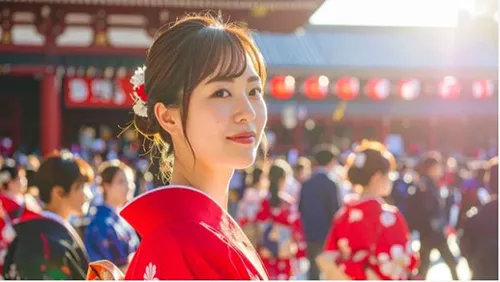
Many women wear furisode, a formal kimono with long sleeves traditionally worn by unmarried women. Furisode are colorful and often elaborately patterned, making them especially eye-catching.
A full furisode outfit includes:
- The kimono itself
- Obi (wide decorative belt)
- Traditional footwear such as zori sandals
- Hair styling and accessories
Wearing a kimono is not mandatory, but it remains very popular due to its cultural significance and visual beauty.
Clothing Choices for Men
Men typically choose between:
- Western-style formal wear such as suits
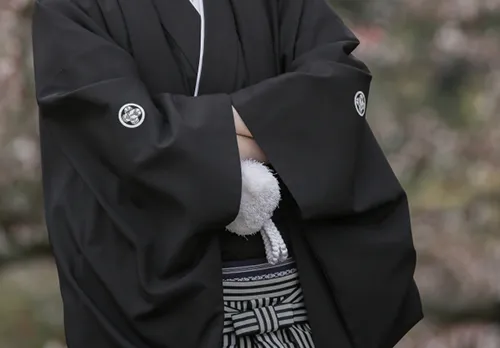
- Traditional attire, including hakama (pleated trousers) worn with a kimono
While fewer men wear traditional clothing compared to women, hakama outfits are still seen and appreciated for their classic elegance.
Advice on Choosing What to Wear
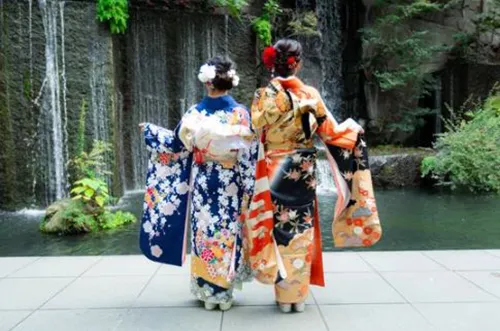
Selecting an outfit for Seijin Shiki can feel overwhelming, especially for those unfamiliar with Japanese formalwear.
When deciding what to wear, consider:
- Comfort, as ceremonies may involve standing or walking outdoors
- Weather, since January can be quite cold
- Personal style and budget
It is perfectly acceptable to wear a suit or other formal Western clothing. The most important thing is to dress respectfully and appropriately for a formal public event.
Kimono Rental: A Common and Practical Option
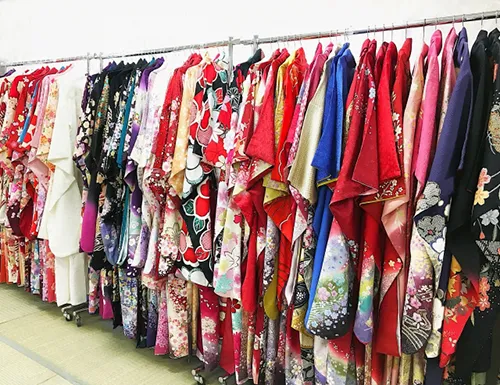

Because purchasing a furisode is expensive, rental services are extremely common in Japan. Kimono rental shops offer full packages that make the process much easier.
A typical rental package may include:
- Kimono and obi
- Undergarments and accessories
- Hair styling and dressing services
- Return and cleaning services
Reservations are often made months in advance, sometimes even a year ahead, especially in large cities. Early booking provides more choices and better prices.
Estimated Costs for Seijin Shiki Attire
The cost of attending Seijin Shiki can vary widely depending on clothing choices and how much you want to invest in the day. Below are three common patterns.
1. Low-cost / Simple Style (Suit or Existing Outfit)
If you already own a suit or choose simple formal wear, costs can be kept relatively low.
Typical expenses include clothing, shoes, basic grooming, and transportation.
Estimated cost: ¥10,000–¥30,000
2. Mid-range Option (Kimono Rental Package)
Many people choose to rent a kimono, which usually comes as a full package including dressing and hair styling.
This is the most common choice for women attending Seijin Shiki.
Estimated cost: ¥80,000–¥150,000
3. High-end Option (Purchased Kimono or Luxury Rental)
Some families purchase a furisode or choose a premium rental with custom styling, professional photos, and accessories.
This option is often seen as a long-term investment or a special family tradition.
Estimated cost: ¥200,000–¥500,000 or more
For foreigners, many rental shops offer English support or are accustomed to helping non-Japanese customers, making the experience smoother than expected.
How to Participate in Seijin Shiki

Participation in Seijin Shiki is based on residency rather than nationality.
Eligibility
You may be eligible if:
- You turn 20 during the relevant year
- You are registered as a resident in a Japanese municipality
- Even if you are still 19 on the day of the ceremony due to being born early in the year, you are still eligible to participate.
Foreign residents who meet these conditions are often included and may receive an official invitation by mail.
Registration and Invitations
Local governments send invitations to eligible residents several weeks before the ceremony. If you do not receive one, you can usually check the municipality’s website or contact the city office directly.
Participation is generally free, though attire and transportation costs are your responsibility.
After the Ceremony: Celebrations and Socializing
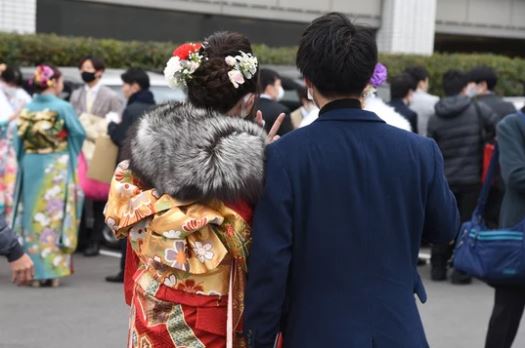
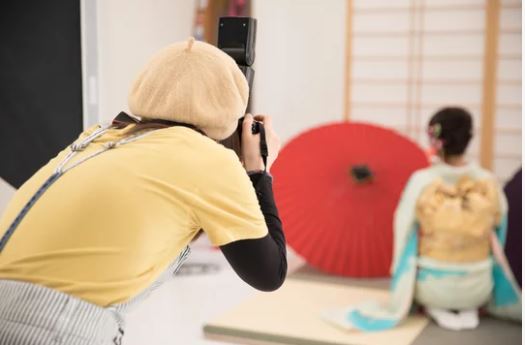
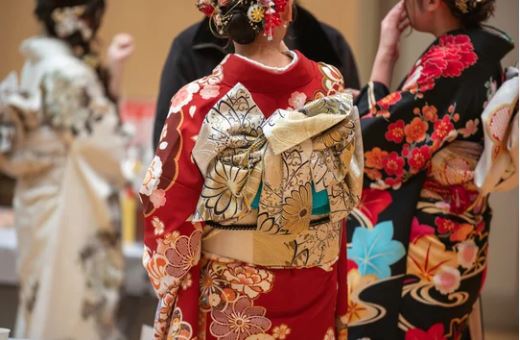
Once the official ceremony ends, the day becomes more relaxed and social.
Many participants:
- Take commemorative photos with friends and family
- Visit photo studios or scenic locations
- Attend family gatherings or reunions
- Go out for dinner or parties with classmates
This social aspect is an important part of Seijin Shiki, allowing people to reconnect and celebrate together.
Q&A: Common Questions About Seijin Shiki
1. Do I have to attend?
Attendance is optional. While many people choose to participate, there is no penalty for skipping the ceremony.
2. Can foreigners attend Seijin Shiki?
Yes. If you are a registered resident and meet the age requirement, you are usually eligible regardless of nationality.
3. Is wearing a kimono required?
No. Kimono are traditional and popular, but suits and other formal clothing are perfectly acceptable.
4. What if I moved after turning 20?
You should attend the ceremony hosted by the municipality where you are registered at the time invitations are sent. Some people return to their hometown to attend instead.
5. Are family members allowed?
Policies vary by location. Some ceremonies allow guests, while others limit attendance due to space constraints.
The Role of Seijin Shiki in Modern Japan
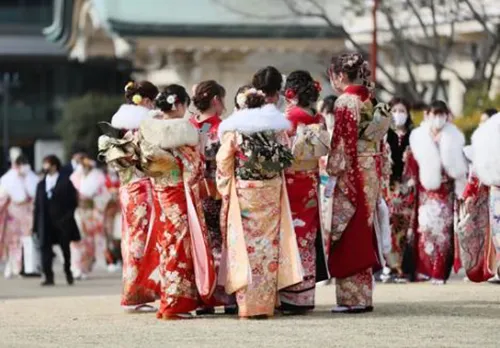
In recent years, Seijin Shiki has continued to evolve. Some municipalities have experimented with smaller ceremonies, online messages, or alternative formats to adapt to changing social conditions.
Despite these changes, the ceremony remains meaningful. For many young people, it is a rare moment when society formally pauses to acknowledge their growth and potential.
Many young people also look forward to Seijin Shiki as a chance to reunite with friends they lost touch with after being separated into different elementary or junior high schools.
Summary: Why Seijin Shiki Matters
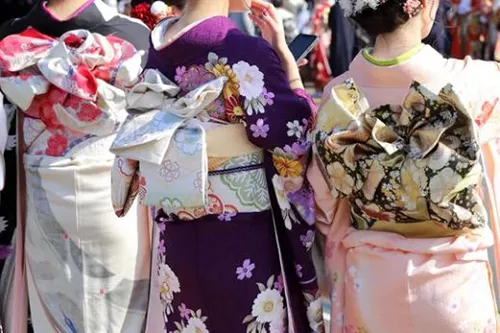
Seijin Shiki is more than a formal event—it is a symbolic bridge between youth and adulthood in Japan. Through speeches, traditional attire, and community recognition, young adults are welcomed into society with both celebration and expectation.
For those living in Japan, participating in Seijin Shiki can be a memorable way to connect with local culture and community. Even for observers, the ceremony offers a unique window into Japanese values surrounding responsibility, tradition, and belonging.
Thank you for reading.
Discover unique tours and experiences across Japan.