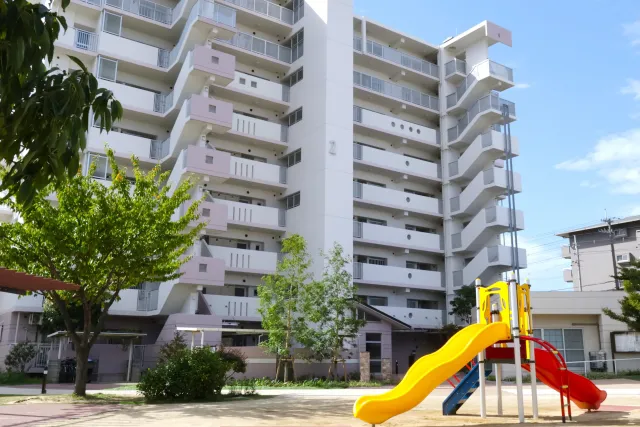
When people think about housing in Japan, small apartments near train stations usually come to mind. But for many long-term residents—especially families—danchi can be a surprisingly practical option. They aren’t flashy, and they aren’t trendy, but they offer space, stability, and predictable costs that are hard to find elsewhere in Japanese cities.
This article explains what danchi are, how foreigners can live in them, and what to realistically expect—from application rules to interior conditions.
What Is a Danchi?
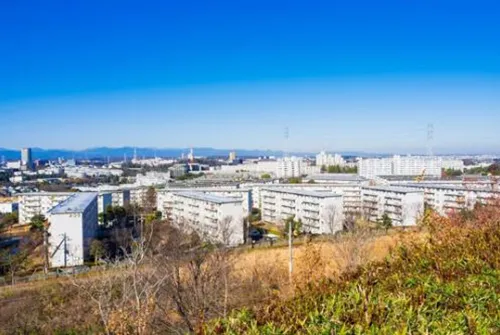
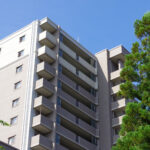
A danchi is a type of large-scale apartment complex built mainly from the 1950s onward. Most were developed by public or semi-public organizations to provide stable housing for working families during Japan’s rapid urban growth.
Unlike privately owned apartment buildings, danchi are usually planned as entire residential communities. Many include multiple buildings, green spaces, playgrounds, and basic facilities such as small shops or community centers.
Today, danchi fall into three broad categories based on who operates them:
- Public housing run by local governments
- UR (Urban Renaissance Agency) rental housing
- Older danchi that have been sold off and are now privately rented or owned
For foreigners, the first two types—public housing and UR—are the most relevant.
Who Operates Danchi and Why It Matters
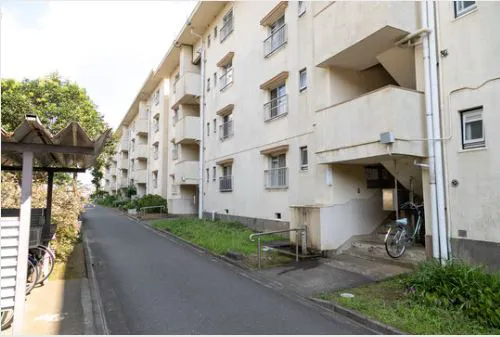
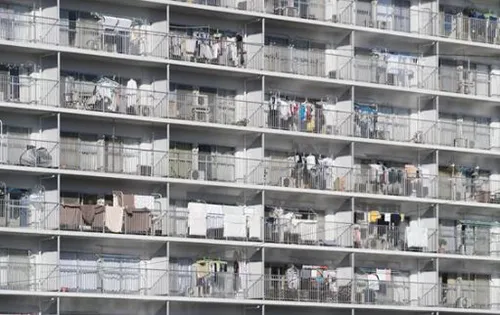
Understanding who runs a danchi is important because it directly affects eligibility, rent, and application procedures.
1. Public Housing (Municipal or Prefectural)
Public danchi are operated by city or prefectural governments. Their original purpose was to provide affordable housing for residents with relatively low to moderate income.
Because these are government-run, the rules tend to be strict but clearly defined. Rent is income-based, and tenants are selected through an application and lottery system.
Foreign residents can apply, but eligibility depends on visa status, income level, and residency documentation.
2. UR Danchi (Urban Renaissance Agency)
UR danchi are run by a national agency and are generally easier for foreigners to access. They are known for:
- No key money
- No renewal fees
- No guarantor required in most cases
Rent is fixed rather than income-based, which makes costs easier to predict. UR housing is often the first choice for foreigners who want danchi-style living without dealing with lotteries.
3. Privately Managed Former Danchi
Some older danchi units have been sold to private owners and are now rented like standard apartments. Conditions vary widely, and foreign acceptance depends entirely on the landlord.
Can Foreigners Live in a Danchi?
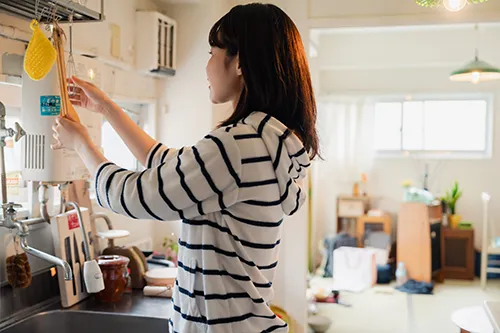
Yes—foreigners can legally live in danchi in Japan. However, the process differs depending on the operator.
Residency Status
Most danchi require applicants to have a valid mid- to long-term residence status. Tourist visas are not accepted.
Typical acceptable statuses include:
- Work visas
- Spouse or dependent visas
- Permanent residence
- Long-term resident visas
Short-term stays are generally not allowed.
Income and Employment
For public housing, household income must fall within a specific range. UR housing usually requires proof of stable income but does not impose a strict upper limit.
Income checks are not about nationality—they apply equally to Japanese and non-Japanese applicants.
How to Apply for a Danchi

Public Housing Applications
Public housing applications are usually accepted only during specific periods, often once or twice a year.
The basic process is:
- Check eligibility requirements with the local government
- Submit an application during the open period
- Enter a lottery if applications exceed available units
- Complete screening and documentation if selected
Because demand is high, winning the lottery can take time.
UR Housing Applications
UR applications are simpler and usually handled on a first-come, first-served basis.
The process typically includes:
- Selecting an available unit
- Visiting a UR office
- Submitting income and residency documents
- Signing the contract
There is no lottery, which makes UR danchi more predictable.
Reference Link: Tokyo Metropolitan Government Public Housing Application Portal
Rent, Deposits, and Monthly Costs
Rent Structure
- Public danchi: Rent is based on household income, unit size, and location
- UR danchi: Rent is fixed and determined by unit type and area
Monthly rent is generally lower than private apartments of similar size.
Initial Costs
Initial fees are usually modest:
- Security deposit (often 2–3 months’ rent)
- First month’s rent
Key money and agent fees are usually not required for public or UR danchi.
Ongoing Costs
In addition to rent, residents typically pay:
- Maintenance or management fees
- Utilities (water, electricity, gas)
- Parking fees if applicable
Apartment Size, Layout, and Interior Conditions
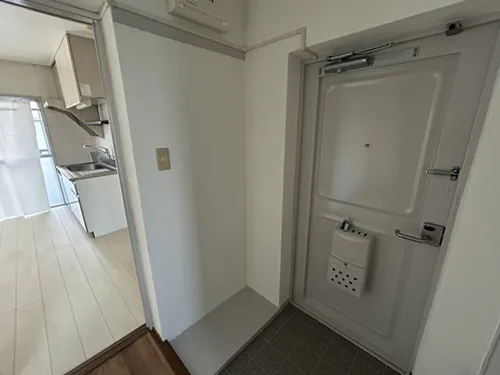
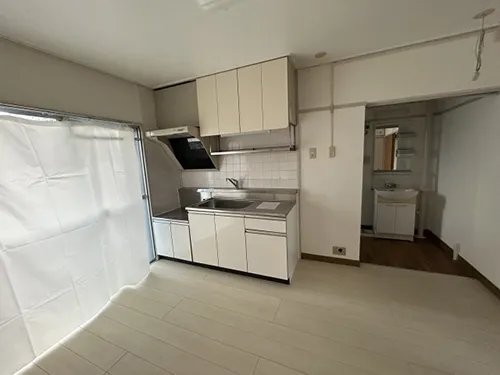
One reason danchi remain popular is space. Compared to modern city apartments, danchi units are often larger.
Typical Layouts
- 2DK, 3DK, or 3LDK layouts
- Separate kitchen and living areas
- Multiple bedrooms
These layouts are practical for families or people working from home.
Interior Condition
Interior quality depends heavily on the building’s age and renovation status.
Common characteristics include:
- Older kitchens and bathrooms in unrenovated units
- Minimal built-in storage
- No air conditioners in some rooms
Some units are fully renovated with modern flooring and fixtures, while others are offered “as is” at lower rent.
Facilities and Daily Life in a Danchi
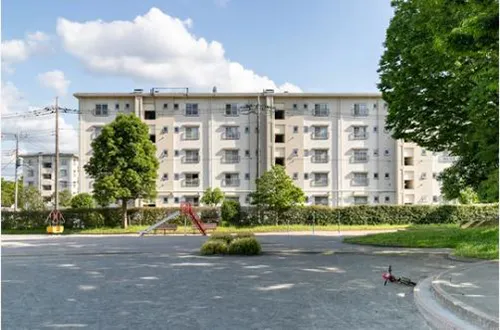
Danchi are designed as residential communities rather than isolated buildings.
Common Features
- Green spaces and playgrounds
- Bicycle parking areas
- Garbage collection stations with strict sorting rules
Some larger danchi also include schools, clinics, or small shopping areas within walking distance.
Neighborhood Atmosphere
Danchi tend to have a quieter, slower pace of life. Many residents are elderly, families, or long-term tenants.
Community rules exist, but they are usually practical rather than intrusive.
Language Support and Living as a Foreigner
Most danchi offices operate primarily in Japanese. English support is limited, though UR offices sometimes offer basic assistance.
Important points to consider:
- Contracts are usually in Japanese
- Notices and community rules are posted in Japanese
- Neighbors may have limited English ability
That said, danchi communities are generally accustomed to long-term residents and are often more tolerant than expected.
Common Questions (Q&A)
Q: Do I need a Japanese guarantor?
For public housing, guarantor requirements vary by municipality. UR housing generally does not require one.
Q: Can I choose my unit freely?
Choices are limited. Public housing depends on lottery results, while UR allows selection from available units.
Q: Are pets allowed?
Many danchi prohibit pets, though some newer or renovated complexes allow them under specific conditions.
Q: Is danchi only for low-income residents?
Public housing targets lower-income households, but UR danchi are open to a wider income range.
Is Living in a Danchi a Good Option?
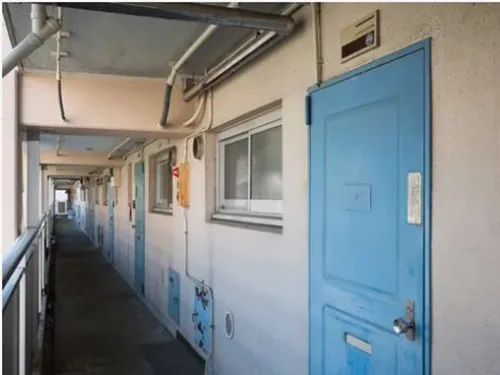
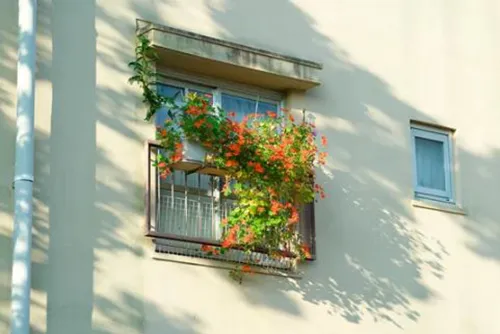
Danchi are not designed to impress. They are practical, stable, and often overlooked by people unfamiliar with Japan’s housing system.
For foreigners who value space, predictable costs, and long-term housing security, danchi can be a solid choice—especially when private rentals feel restrictive or expensive.
Pros and Cons of Living in a Danchi
Pros
- Generally lower rent compared to private apartments
- Larger living space and practical room layouts
- Stable long-term contracts with few unexpected cost changes
- Quiet residential environment with nearby parks and daily facilities
Cons
- Many buildings are older, even if partially renovated
- Application processes can take time, especially for public housing
- Some danchi are located far from train stations
- Community rules may feel strict for some residents
- Limited English support for contracts and notices
Summary: What to Know Before Choosing a Danchi
Living in a danchi is about choosing function over trendiness. The application process may take time, interiors may be simple, and rules can feel old-fashioned—but in return, you get affordability, space, and a sense of permanence that is increasingly rare in urban Japan.
If you plan to stay in Japan for more than a short period, danchi are worth understanding—and possibly living in.
Thank you for reading.