A Comprehensive Guide for Elementary School Children (Grades 1–6)
Choosing the right extracurricular activities for your child can be one of the most rewarding parts of parenting in Japan. Whether your family recently moved here or you’re simply exploring what Japanese children commonly do after school, you’ll find a wide range of lessons—called naraigoto—that focus on discipline, creativity, social growth, and physical development.
This guide introduces 10 of the most popular and highly recommended extracurricular activities for elementary-aged children in Japan, along with reasons why they are loved, what parents can expect, how much time and commitment they usually require, and why they continue to be strong favorites among Japanese families.
1. Swimming
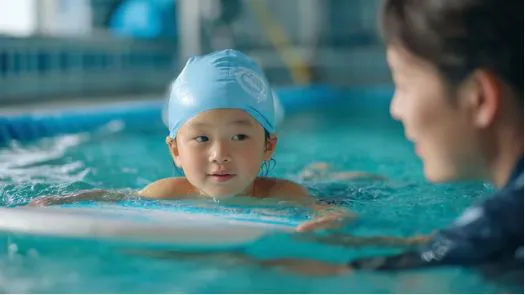
Swimming has consistently ranked as one of the most popular extracurricular activities in Japan for decades. Many schools and parents consider it almost essential, not only for health and physical development but also for safety.
1. What Kids Learn
- Basic to advanced swimming strokes
- Breath control and endurance
- Water safety and confidence
- Discipline through structured practice
2. Why It’s So Popular
Swimming is valued because it’s a foundation for overall fitness. Parents also appreciate that children with asthma or weaker stamina often show noticeable improvement after consistent swimming lessons. Many Japanese public pools have well-organized programs designed specifically for elementary students.
3. Typical Schedule
- Once or twice a week
- 60–90 minutes per session
4. Cost
- ¥5,000–¥10,000 per month on average
2. English Conversation
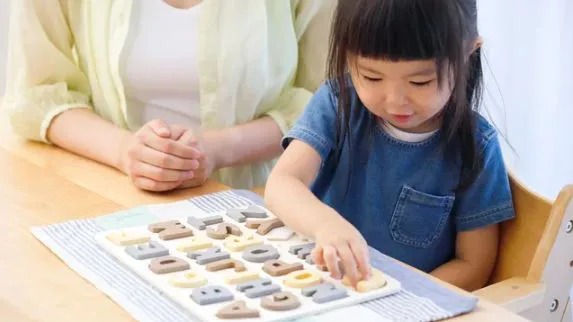
Japan has placed huge emphasis on English education in recent years. As a result, English conversation schools for kids—often offered by major chains like AEON or Berlitz, as well as local community teachers—are extremely common.
1. What Kids Learn
- Basic communication
- Pronunciation practice
- Listening skills
- Cultural exposure
2. Why It’s Popular
Parents want their children to build confidence early before English becomes more difficult in junior high school. Many programs use games, songs, and storytelling, making the lessons feel fun rather than academic.
3. Typical Schedule
- Once a week
- 40–60 minutes per session
4. Cost
- ¥6,000–¥12,000 per month
3. Piano & Music Lessons
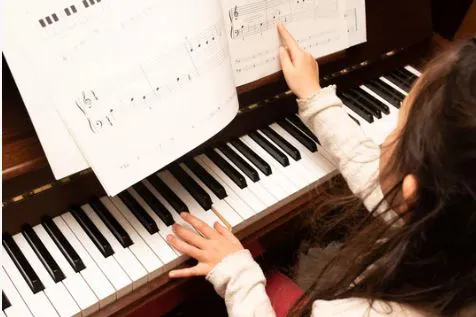
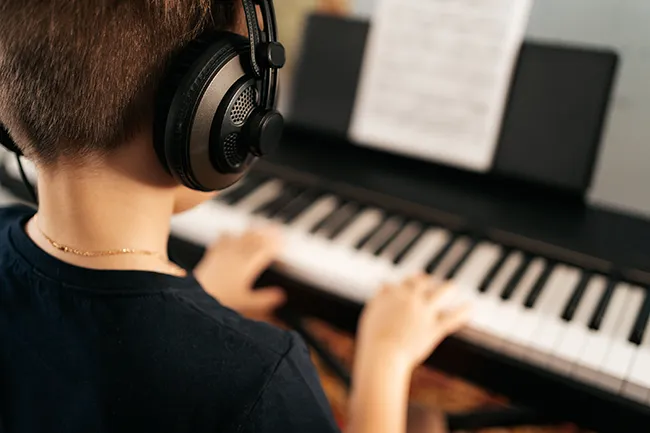
Music education has deep roots in Japan. Piano lessons, in particular, remain extremely popular due to the cultural connection to discipline, emotional development, and focus.
1. What Kids Learn
- Basic music theory
- Rhythm and ear training
- Technique and posture
- Confidence through performance
2. Why It’s Popular
Learning the piano builds patience and concentration. Parents often view it as a long-term investment in creativity and character. Recital culture in Japan also motivates children through clear goals.
3. Typical Schedule
- Weekly private lessons
- 30–45 minutes
4. Cost
- ¥7,000–¥12,000 per month
- Additional recital fees may apply
4. Soccer / Football
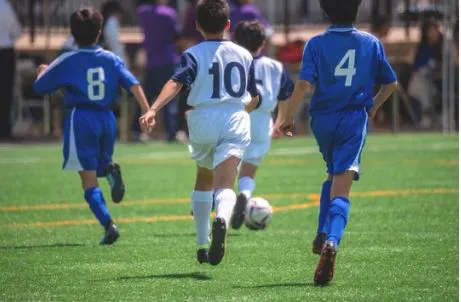
Soccer is one of the most common sports for elementary school students. Many schools, community clubs, and private academies offer structured programs.
1. What Kids Learn
- Teamwork and communication
- Ball control and agility
- Competitive spirit balanced with cooperation
2. Why It’s Popular
Soccer is easy to start—minimal equipment, affordable uniforms, and a strong culture of neighborhood teams. Children also enjoy playing outdoors with peers from school or the local community.
3. Typical Schedule
- 1–3 times a week
- Weekend matches for club teams
4. Cost
- ¥3,000–¥8,000 per month
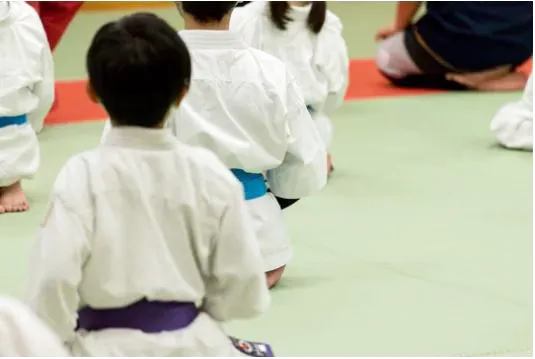
5. Karate & Martial Arts
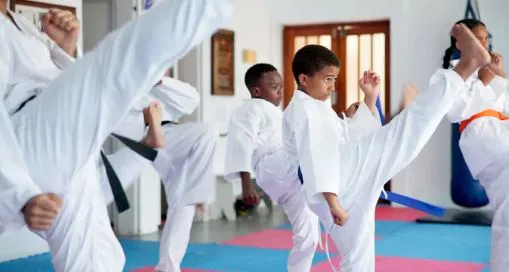
Japan’s martial arts have become increasingly popular among both local and foreign families. Karate, judo, and kendo are especially common.
1. What Kids Learn
- Respect and self-discipline
- Body control and strength
- Focus and patience
- Self-confidence without aggression
2. Why It’s Popular
Parents appreciate the balance between physical training and emotional maturity. Many dojos emphasize manners, responsibility, and self-control.
3. Typical Schedule
- 1–2 times per week
4. Cost
- ¥4,000–¥10,000 per month
- Uniform (gi) typically ¥8,000–¥12,000
6. Programming & Robotics
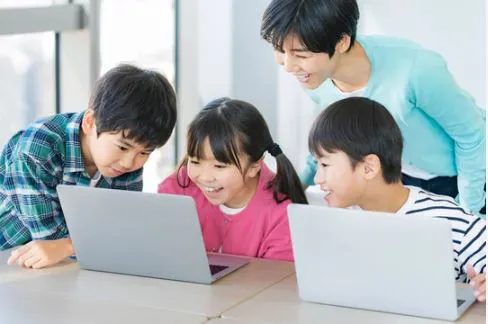
With Japan integrating programming into elementary school curricula, extracurricular coding classes have grown rapidly.
1. What Kids Learn
- Basic programming concepts
- Problem-solving skills
- Robotics and simple engineering
- Logical thinking
2. Why It’s Popular
Parents want their children to develop future-ready skills. Many lessons use game-based learning platforms, making them enjoyable for younger students.
3. Typical Schedule
- Weekly lessons
- 60–90 minutes
4. Cost
- ¥8,000–¥15,000 per month
7. Abacus (そろばん)
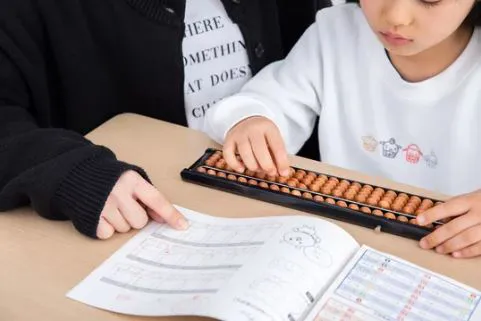
The abacus, or soroban, may seem old-fashioned, but it is still widely practiced and deeply respected.
1. What Kids Learn
- Mental calculation
- Concentration and memory
- Speed and accuracy
2. Why It’s Popular
Soroban trains the mind to visualize numbers, boosting math skills and focus. Many children gain confidence as their test scores improve.
3. Typical Schedule
- 2–3 times per week
4. Cost
- ¥4,000–¥8,000 per month
8. Calligraphy (書道)
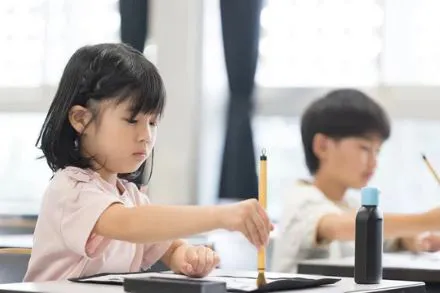
Shodō, or Japanese calligraphy, is both an art and a meditative practice.
1. What Kids Learn
- Brush techniques
- Beautiful handwriting
- Patience and calmness
- Appreciation for Japanese culture
2. Why It’s Popular
Parents love how calligraphy helps children slow down and focus. It’s creative yet structured, and many schools encourage participation in competitions.
3. Typical Schedule
- Weekly lessons
- 60 minutes
4. Cost
- ¥4,000–¥7,000 per month
9. Dance
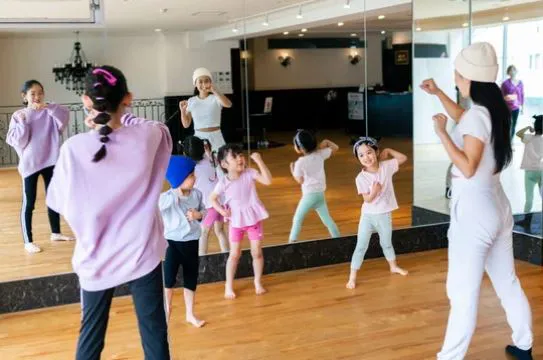
From hip-hop to jazz to K-pop style dance, modern dance studios are booming across Japan.
1. What Kids Learn
- Rhythm
- Body coordination
- Team performance
- Self-expression
2. Why It’s Popular
Dance became mainstream after it was added to school PE programs. Kids enjoy the energy, and parents appreciate the physical benefits.
3. Typical Schedule
- 1–2 times weekly
4. Cost
- ¥6,000–¥12,000 per month
10. Science Experiments & STEM Clubs
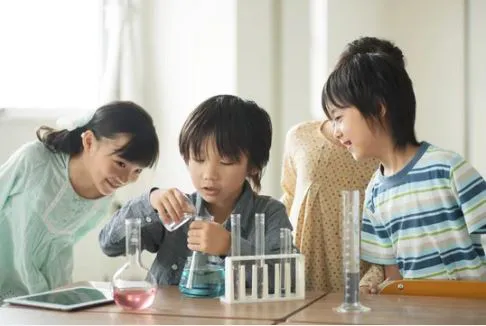
Hands-on science programs offering chemistry, physics, and engineering experiments have grown significantly.
1. What Kids Learn
- Curiosity-driven discovery
- Scientific thinking
- Safe experimentation
- Problem-solving skills
2. Why It’s Popular
These classes make complex concepts fun and accessible. Parents love that children learn through direct experience rather than rote memorization.
3. Typical Schedule
- Twice a month or weekly
4. Cost
- ¥6,000–¥15,000 per month
(Experiment materials included)
Additional Notes: Choosing the Right Extracurricular for Your Child
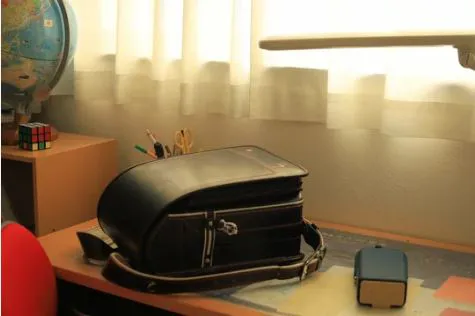
When selecting activities, Japanese parents typically consider:
- Distance from home
- Safety
- Instructor quality
- Compatibility with school workload
- Child’s motivation and personality
It’s common for children to participate in two or three naraigoto at the same time, especially a combination of one physical, one academic, and one creative activity.
| Extracurricular Activity | Key Benefits | Monthly Cost (Approx.) |
|---|---|---|
| Swimming | Fitness, safety, stamina | ¥5,000–¥10,000 |
| English Conversation | Communication skills, confidence | ¥6,000–¥12,000 |
| Piano / Music | Creativity, discipline | ¥7,000–¥12,000 |
| Soccer | Teamwork, agility | ¥3,000–¥8,000 |
| Karate / Martial Arts | Self-control, strength | ¥4,000–¥10,000 |
| Programming / Robotics | Logic, problem-solving | ¥8,000–¥15,000 |
| Abacus (Soroban) | Mental math, focus | ¥4,000–¥8,000 |
| Calligraphy | Calmness, culture appreciation | ¥4,000–¥7,000 |
| Dance | Rhythm, confidence | ¥6,000–¥12,000 |
| Science / STEM Clubs | Discovery, hands-on learning | ¥6,000–¥15,000 |
There may also be additional costs such as uniform fees or material fees.
Summary
Choosing extracurricular activities in Japan is an exciting opportunity for children to explore their interests and develop lifelong skills. Whether they prefer sports, arts, academic enrichment, or technology, there is an activity that fits every type of personality and learning style.
The strong structure of Japanese naraigoto programs helps children build discipline, confidence, and independence. Parents value the social environment, safety, and the long-term benefits each program provides.
No matter which activity you choose, the most important thing is to support your child’s curiosity and allow them to grow at their own pace. With so many options available, your child can discover something they truly enjoy and carry with them for many years.
Thank you for reading!