

Before diving into definitions and history, it helps to pause for a moment. Zazen is not something that can be fully understood by reading alone. It is a practice rooted in stillness, posture, and direct experience. Yet by understanding its background, purpose, and modern relevance, you can approach zazen with clearer expectations and deeper respect.
(This article contains affiliate links. As an Amazon Associate, we may earn from qualifying purchases.)
What Is Zazen?
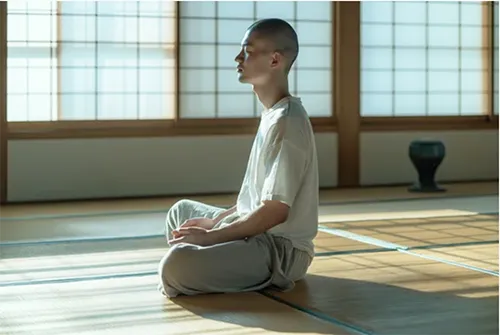
Zazen literally means “seated meditation.” The word comes from the Japanese reading of the Chinese characters 坐禅, where za means “to sit” and zen refers to meditation. At its core, zazen is the practice of sitting upright, remaining physically still, and observing the present moment without chasing thoughts or emotions.
Unlike many meditation styles that emphasize visualization, affirmations, or guided imagery, zazen is strikingly simple in form. The practitioner sits, breathes naturally, and maintains awareness of posture, breathing, and mental activity as it arises and fades. This simplicity is intentional. Zazen strips away techniques that aim to achieve something, focusing instead on direct presence.
In Japanese Buddhism, particularly Zen Buddhism, zazen is not considered a preparation for awakening—it is awakening itself expressed through sitting. This idea can feel unfamiliar to those accustomed to goal-oriented self-improvement practices, but it is central to understanding zazen.
The Roots and History of Zazen
1. Origins in India and China
The roots of zazen trace back to early Buddhist meditation practices in India, especially dhyāna, a Sanskrit term meaning meditative absorption. These practices spread to China around the first century, where they evolved into Chan Buddhism. Over time, Chinese Chan emphasized seated meditation as a direct path to insight, less reliant on scriptures and rituals.
2. Transmission to Japan
Zen Buddhism arrived in Japan mainly during the late 12th and early 13th centuries. One of the most influential figures was Dōgen Zenji, the founder of the Sōtō Zen school. After studying in China, Dōgen returned to Japan and taught that zazen itself is the embodiment of enlightenment, not merely a means to reach it.
This perspective shaped Japanese zazen profoundly. Rather than striving for dramatic spiritual experiences, practitioners were encouraged to sit wholeheartedly, moment after moment, regardless of perceived progress.
3. Development within Japanese Culture
As Zen became established in Japan, zazen influenced many aspects of culture, including tea ceremony, calligraphy, martial arts, and garden design. The emphasis on simplicity, discipline, and presence resonates throughout these arts. Zazen was not isolated in monasteries; it quietly shaped how attention and awareness were valued in everyday life.
Zazen and Buddhism: How They Are Connected
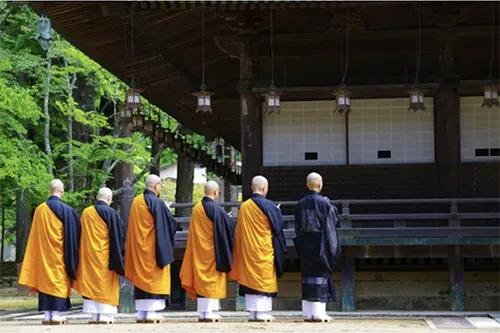
Zazen is inseparable from Zen Buddhism, yet it is not limited to religious belief. In Zen, practice and philosophy are deeply intertwined. Concepts such as impermanence, non-attachment, and interdependence are not merely taught—they are explored experientially through sitting.
Importantly, zazen does not require belief in a deity or acceptance of complex doctrine. Many people practice zazen today without identifying as Buddhist. However, understanding its Buddhist context helps explain why zazen emphasizes posture, breath, and attitude so strongly. Sitting upright reflects dignity and wakefulness. Letting thoughts pass reflects non-attachment. Returning to the present moment embodies mindfulness.
Zazen vs. Meditation: What Is the Difference?

The word “meditation” is broad and often used to describe many different practices. Zazen fits within this category, but it differs in emphasis and intention.
Many modern meditation techniques focus on relaxation, stress reduction, or achieving specific mental states. Zazen does not reject these outcomes, but it does not aim for them directly. Instead, practitioners sit without expectation, allowing calm or restlessness to arise naturally.
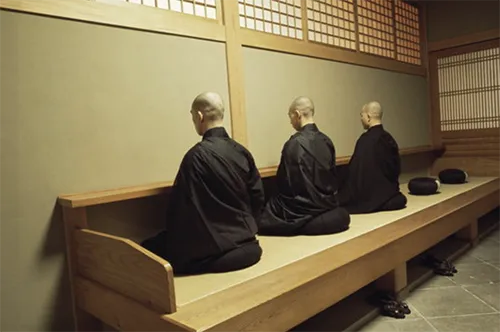
Another difference lies in posture. In zazen, posture is central. The spine is upright, the hands form a specific mudra, and the eyes are usually open or half-open. This contrasts with practices that encourage lying down or closing the eyes entirely.
Rather than controlling the mind, zazen invites awareness of whatever the mind is doing. Thoughts are not enemies to be eliminated, nor are they objects to be analyzed. They are simply noticed and released.
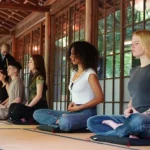
How Zazen Is Practiced
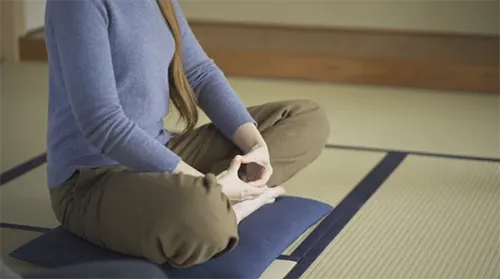
1. Posture and Sitting
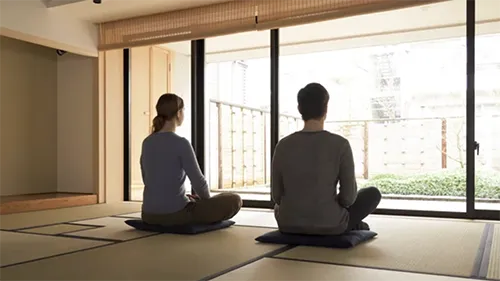
Traditionally, zazen is practiced on a cushion called a zafu, placed on a mat. The practitioner may sit in full lotus, half lotus, or a simpler cross-legged posture. For those unable to sit on the floor, sitting on a chair is also acceptable.
The key points are a stable base, an upright spine, relaxed shoulders, and a slightly tucked chin. Hands rest in the cosmic mudra, with palms up and thumbs lightly touching.
2. Breathing
Breathing in zazen is natural and unforced. Attention often rests on the breath, especially the exhalation, without trying to regulate it. Over time, breathing naturally deepens and slows, but this is not something to force.
3. Working with Thoughts
Thoughts inevitably arise during zazen. Rather than following them, judging them, or pushing them away, the practitioner gently returns attention to posture and breath. This repeated return is the heart of the practice.
The Purpose of Zazen
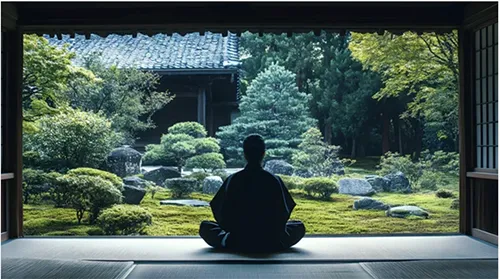
Zazen does not promise quick solutions or dramatic transformations. Its purpose is subtle yet profound. Through sitting, practitioners learn to encounter themselves directly, without distraction.
Over time, this can cultivate clarity, patience, and resilience. Zazen encourages a way of being that is less reactive and more grounded. Rather than escaping daily life, it helps practitioners meet life as it is.
Effects and Benefits of Zazen

While traditional Zen teachings emphasize practice without attachment to results, modern research on meditation provides insight into why zazen can be beneficial.
Scientific studies on mindfulness and seated meditation have shown associations with reduced stress, improved emotional regulation, enhanced attention, and changes in brain regions related to self-awareness and compassion. Regular meditation practice has also been linked to lower cortisol levels and improved mental well-being.
Zazen aligns well with these findings, even though it was not developed for scientific validation. Its emphasis on sustained attention, embodied awareness, and non-judgmental observation parallels elements studied in contemporary neuroscience and psychology.
The Appeal of Zazen
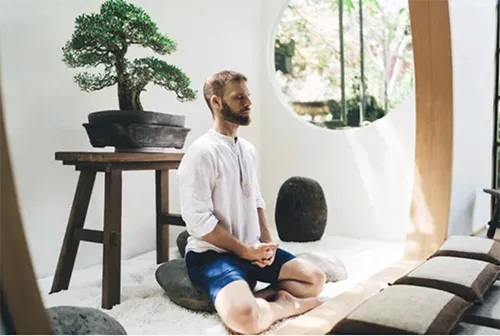
One of zazen’s greatest attractions is its simplicity. No equipment is required beyond a place to sit. There is no need for special beliefs or extensive preparation.
Zazen also offers something rare in modern life: deliberate stillness. In a world shaped by constant stimulation, the act of sitting quietly and doing “nothing” can feel deeply refreshing.
For many practitioners, zazen becomes a quiet anchor. Even short periods of sitting can influence how one listens, works, and responds to stress.
The Difficulty and Challenges of Zazen

Zazen is simple, but it is not easy. Physical discomfort, restlessness, boredom, and self-doubt often arise, especially for beginners. Sitting still can reveal how busy the mind truly is.
Another challenge is the lack of clear milestones. Without obvious progress markers, practitioners may feel uncertain or discouraged. Zen tradition addresses this by emphasizing consistency over achievement.
These difficulties are not obstacles to practice; they are the practice. Meeting discomfort with patience is part of what zazen teaches.
Where You Can Experience Zazen in Japan
Japan offers many opportunities to experience authentic zazen. Zen temples across the country welcome visitors for short sessions, half-day programs, or overnight stays.
Major cities such as Tokyo, Kyoto, and Kamakura have temples that offer zazen sessions open to the public, sometimes with English guidance. Rural temples often provide temple stays (shukubō), where zazen is part of daily life alongside meals and chanting.
For those living in Japan, local Zen centers and international meditation groups can also be accessible entry points. These environments allow practitioners to learn correct posture and etiquette while practicing with others.
Zazen in Everyday Life

Although zazen is practiced while sitting, its influence extends beyond the cushion. Practitioners often report becoming more attentive in daily activities, such as walking, eating, or working.
This integration is essential. Zazen is not meant to be an escape from life but a way to engage with it more fully. The calm and clarity cultivated during sitting naturally appear in ordinary moments.
→Explore Zen and Japanese culture in greater depth.
Summary: Why Zazen Continues to Matter
Zazen is a quiet practice with a long history, yet it remains deeply relevant today. Rooted in Buddhist tradition and supported by modern scientific understanding of meditation, it offers a way to cultivate presence without complication.
By sitting still and observing the present moment, practitioners encounter both the challenges and richness of their own experience. Zazen does not promise instant peace, but it invites a steady, honest relationship with oneself and the world. In that simplicity lies its enduring strength.
Thank you for reading.
If you’re looking for tours, experiences, or tickets in Japan, you can explore them here.