
When your child attends daycare or kindergarten in Japan, a sudden fever can quickly become a stressful situation. Parents often feel pressure to respond correctly, communicate with the school, arrange childcare, and decide whether medical care is necessary — all while worrying about their child’s health. Understanding the general expectations and common practices can make these situations far more manageable and help you act calmly and confidently.
This article explains what typically happens when a child develops a fever, what schools expect from parents, how daycare and kindergartens differ, and what to know about visiting clinics or fever outpatient services afterward.
General Rules When a Child Has a Fever
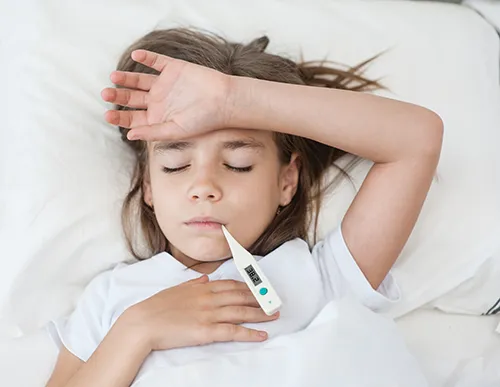
In Japan, both daycare and kindergartens place a strong emphasis on infection prevention and group safety. A fever is treated seriously, even when the child appears otherwise well.
Most schools define a fever as 37.5°C (99.5°F) or higher, though some facilities may use 37.8°C or 38.0°C as their 기준. Parents are usually informed of the exact threshold in advance through school guidelines.
If a child has a fever in the morning before school, parents are generally expected to keep the child at home. Sending a child to school with a fever, even a mild one, is usually discouraged, as symptoms may worsen during the day and expose other children and staff.
When a fever develops during school hours, the school will typically contact the parent and request that the child be picked up as soon as possible. This is considered a normal responsibility of guardians, and schools expect parents to be reachable during the day.
What Happens If a Fever Is Discovered at School
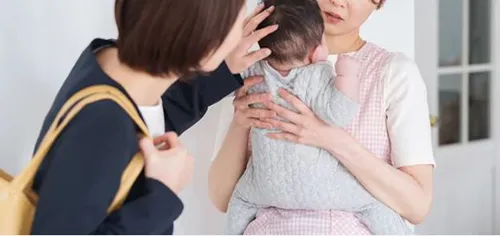
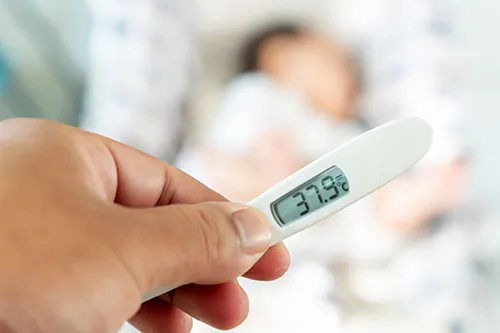
When staff notice that a child feels warm or appears unwell, they will measure the child’s temperature. If the reading exceeds the school’s fever threshold, several steps usually follow.
First, the child is separated from group activities and allowed to rest in a quiet area. This is done both for the child’s comfort and to reduce the risk of spreading illness.
Next, the school contacts the registered guardian. In most cases, parents are expected to arrive within one to two hours. Schools understand that work schedules vary, but prompt pickup is considered essential.
If the fever is high or accompanied by concerning symptoms such as lethargy, repeated vomiting, or difficulty breathing, the school may advise immediate medical attention. However, they will not usually transport the child themselves unless it is an emergency.
Expectations for Parents After Picking Up a Sick Child
Once a child has been sent home with a fever, parents are expected to monitor symptoms carefully. In many cases, the school will request that the child remain at home until they are fully fever-free for a certain period.
A common rule is that a child must be fever-free for at least 24 hours without fever-reducing medication before returning. This applies even if the child seems energetic again. The goal is to ensure recovery and reduce the chance of relapse or transmission.
Some schools may also require parents to inform them of the child’s diagnosis if a doctor is consulted, particularly for contagious illnesses such as influenza, COVID-19, RSV, or hand-foot-and-mouth disease.
Daycare (Hoikuen) vs Kindergarten (Yōchien): Key Differences
While both types of facilities prioritize health and safety, there are notable differences in how they handle fevers due to their underlying purpose and structure.
Daycare (Hoikuen)
Daycare primarily support working parents and often care for children for longer hours. Despite this, health rules are typically very strict.
Children are usually required to stay home even for low-grade fevers. Pickup requests during the day are common, and parents are expected to arrange alternative care if they cannot leave work immediately.
Because nursery schools serve younger children, staff tend to be more cautious about symptoms, as infants and toddlers can deteriorate quickly.
Kindergartens (Yōchien)
Kindergartens focus more on education and usually operate for shorter hours. As a result, policies may feel slightly more flexible, but fever rules are still enforced.
Some kindergartens allow children to attend if they had a mild fever the previous day but are fully normal by morning. However, once a fever is detected during school hours, early pickup is still required.
Kindergartens may also request written confirmation from a doctor for certain illnesses before allowing a child to return.
Returning to School After a Fever
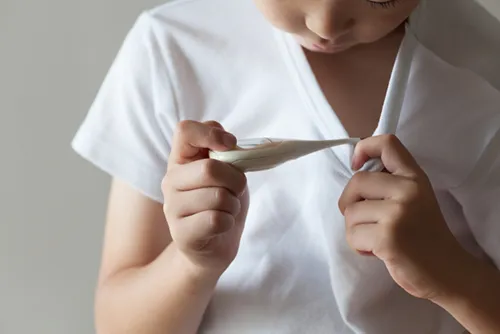
Returning too early is a common concern among parents. Schools prefer that children return only when they are fully recovered, not simply when the fever has subsided.
Many schools follow a general guideline that includes:
- No fever for 24 hours
- Normal appetite and energy levels
- No worsening symptoms such as persistent cough or diarrhea
For contagious illnesses, additional rules often apply. Influenza, for example, usually requires a mandatory absence period defined by local guidelines, regardless of how quickly the child appears to recover.
Parents should always check the school’s handbook, as return policies can vary slightly between institutions.
When to See a Doctor
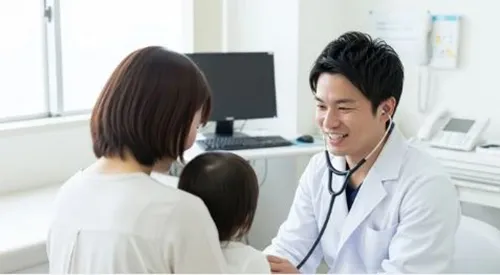
In Japan, parents often take children to a clinic earlier than they might in other countries. This is partly due to easy access to pediatric clinics and partly due to school expectations.
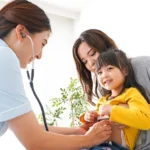
If a child has a high fever, symptoms lasting more than a day, or signs of discomfort such as ear pain or severe coughing, a medical visit is generally recommended. Clinics may provide a diagnosis that helps clarify how long the child should stay home.
Parents should be aware that many clinics ask patients with fever to call in advance. This allows the clinic to prepare and reduce infection risks.
Understanding Fever Clinics and “Hatsunetsu Gairai”
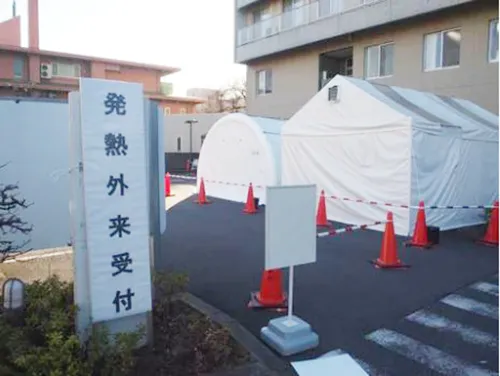
Many medical facilities in Japan operate special fever outpatient services, often referred to as hatsunetsu gairai.
These services are designed to separate patients with fever from others in the clinic. Depending on the facility, children may be seen in a separate room, outside area, or designated time slot.
Parents are usually required to:
- Call ahead before visiting
- Describe symptoms in detail
- Wait outside or in a designated area upon arrival
While this process can feel inconvenient, it is standard practice and helps protect vulnerable patients.
COVID-19 and Other Infectious Diseases

Even as policies evolve, schools in Japan remain cautious about infectious diseases. COVID-19, influenza, and other viral infections are taken seriously, especially during peak seasons.
Schools may request test results or written confirmation of recovery. In some cases, parents must submit a recovery form signed by a guardian rather than a doctor.
It is important to follow the school’s instructions closely, as failure to do so may delay the child’s return.
Managing Work and Childcare Responsibilities

One of the biggest challenges parents face is balancing work obligations with sudden illness. Many workplaces in Japan understand that children may need to be picked up unexpectedly, but this varies by employer.
Some parents rely on family support, temporary childcare services, or paid leave options. Planning ahead by understanding your workplace policies can reduce stress when illness strikes.
Daycare in particular may ask parents to arrange backup care plans in advance, especially for infants.
Communication With the School

Clear communication is essential when a child has a fever. Parents are encouraged to notify the school promptly about symptoms, doctor visits, and expected return dates.
Schools appreciate honesty and proactive updates, especially during outbreaks of contagious illnesses. Maintaining a cooperative relationship helps ensure smoother handling of future situations.
Emotional Considerations for Children
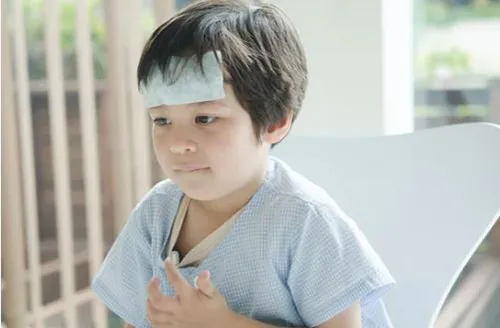
Being sent home early can be upsetting for young children. Parents can help by explaining calmly that resting is necessary and reassuring them that they will return to school soon.
Maintaining familiar routines at home, even during illness, can help children feel secure and recover more comfortably.
Summary: Handling Fever Situations With Confidence

A child’s fever is an inevitable part of school life, especially in group settings. While the rules may feel strict, they are designed to protect all children and staff.
Understanding school expectations, knowing when to seek medical care, and communicating clearly can make these situations far less overwhelming. By preparing in advance and responding calmly, parents can navigate fever-related disruptions with confidence and ensure their child’s well-being remains the top priority.
Thank you for reading.
Create Memories with Your Kids