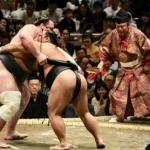

Before the roar of the crowd and the clash of bodies on the clay ring, sumo carries a quieter story—one of restraint, tradition, and an unspoken code of conduct. At the very top of this world stands the Yokozuna, a figure admired not only for overwhelming strength, but for the weight of expectations carried both inside and outside the ring. To understand the Yokozuna is to understand sumo itself.
(This article contains affiliate links. As an Amazon Associate, we may earn from qualifying purchases.)
What Is a Yokozuna?
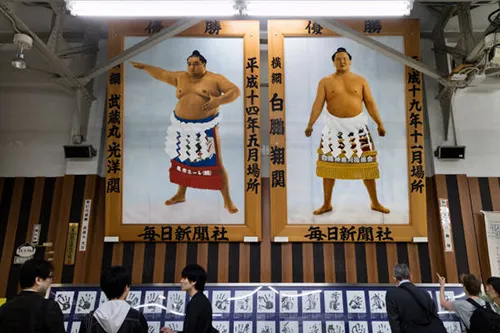
Yokozuna is the highest rank in professional sumo, and it exists in a category of its own. While other ranks rise and fall according to tournament results, Yokozuna is a title that represents completion rather than progression. Once a wrestler reaches this rank, they are expected to embody the ideal form of a sumo wrestler for the rest of their career.
Unlike champions in many modern sports, the Yokozuna is not simply the strongest competitor at a given time. The role blends athletic dominance with cultural symbolism. Historically, Yokozuna were seen as protectors of the dignity of sumo, performing ceremonial duties rooted in Shinto beliefs and acting as living representatives of tradition.
The title itself dates back several centuries, but it became an official rank within the Japan Sumo Association in the early 20th century. Since then, only a limited number of wrestlers have ever achieved it, reinforcing its rarity and prestige.
The Conditions Required to Become a Yokozuna
Reaching Yokozuna is famously difficult, and there is no single written rule that guarantees promotion. Instead, the decision is made by a special council that evaluates both results and character.
1. Tournament Performance
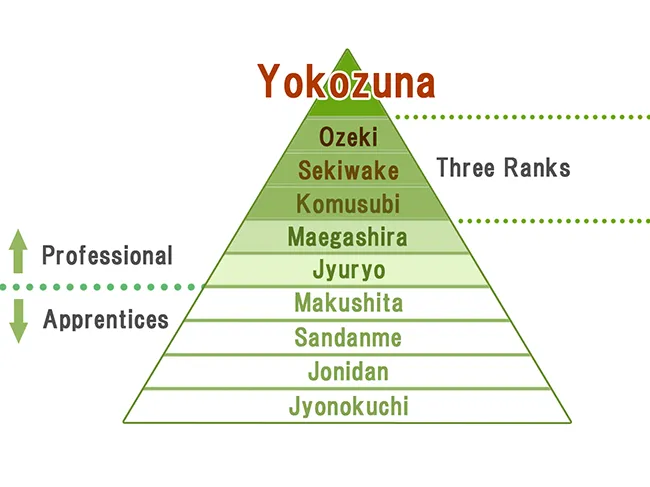
In most cases, a wrestler must achieve the rank of Ozeki first, which already places them among the elite. From there, the typical benchmark is winning two consecutive top-division tournaments, or delivering an equivalent level of performance—such as one championship and a strong runner-up result with dominant wins.
However, numbers alone are not enough. A technically strong but inconsistent performance can still fall short if it fails to show clear superiority.
2. Strength and Technique
Yokozuna are expected to win convincingly. Barely scraping by with narrow victories is seen as insufficient. Judges look for power, balance, refined techniques, and the ability to control the match from start to finish. A Yokozuna should appear inevitable once they step onto the dohyo.
3. Dignity and Character (Hinkaku)
One of the most discussed—and most misunderstood—requirements is hinkaku, often translated as “dignity” or “grace.” This does not mean perfection or emotional distance, but rather composure, humility, and respect for the traditions of sumo.
How a wrestler behaves after winning, how they accept defeat, how they treat opponents and officials, and even how they conduct themselves in daily life all factor into the decision. This expectation is unique among combat sports and is central to the identity of the Yokozuna.
Why Becoming a Yokozuna Is So Rare
Even among elite wrestlers, very few ever reach Yokozuna. The physical demands of sumo are extreme, and maintaining peak condition across multiple tournaments is brutally difficult.
Injuries often derail promising careers. Others may achieve remarkable success but fall just short of the consistency required. There are also cases where a wrestler’s behavior or attitude raises concerns, delaying or preventing promotion despite strong results.
This rarity enhances the mystique of the rank. Each Yokozuna represents a specific era, and fans often associate periods of sumo history with the presence—or absence—of a dominant Yokozuna.
The Ceremonial Role of the Yokozuna
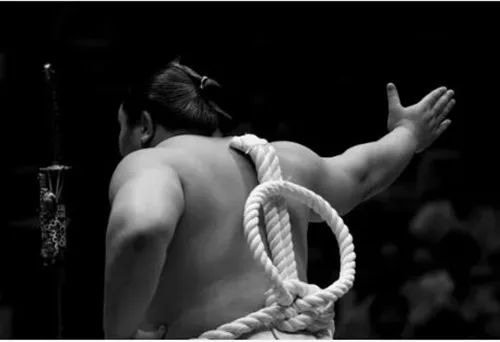
One of the most visible differences between Yokozuna and other wrestlers is ceremonial responsibility.
The Dohyo-iri
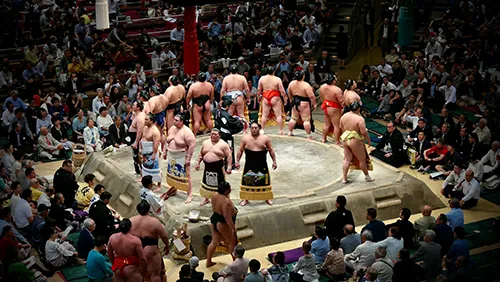
Before tournaments, Yokozuna perform a special ring-entering ceremony known as the dohyo-iri. Wearing a thick white rope inspired by Shinto rituals, the Yokozuna enters the ring accompanied by attendants. The movements are slow, deliberate, and symbolic, meant to purify the space and ward off evil spirits.
There are two traditional styles of this ceremony, each passed down through lineage. The choice of style reflects the Yokozuna’s training background and adds another layer of historical continuity.
Symbol of Tradition
Through these ceremonies, the Yokozuna becomes more than an athlete. They serve as a bridge between modern professional sports and ancient ritual, reminding audiences that sumo is as much cultural heritage as competition.
Life After Promotion: Privilege and Pressure
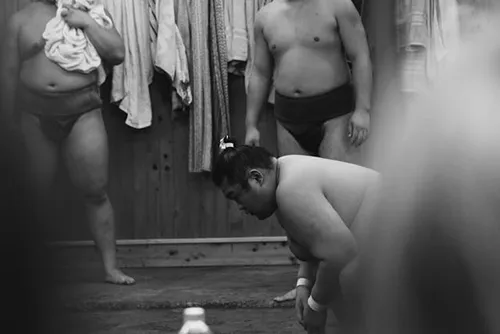
Becoming a Yokozuna brings honor, but it also brings a profound shift in expectations.
No Demotion, Only Retirement
Unlike all other ranks, a Yokozuna cannot be demoted. This rule exists to protect the dignity of the title, but it comes with a heavy consequence: when performance declines, retirement is the only acceptable option.
As a result, Yokozuna often retire earlier than they otherwise might. Continuing to compete while unable to meet expectations is considered damaging to the rank itself.
Increased Scrutiny
Every match, every gesture, and every public appearance is closely watched. A Yokozuna is expected to win regularly and to do so with authority. Extended losing streaks or repeated absences due to injury can attract criticism from fans and media alike.
This level of scrutiny can be mentally exhausting. Even dominant Yokozuna have spoken about the constant pressure to live up to an ideal that allows little room for vulnerability.
Financial and Social Status of a Yokozuna
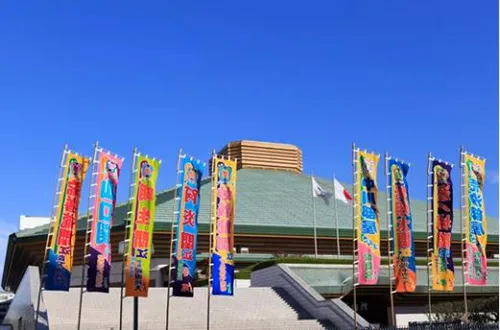
From a practical standpoint, Yokozuna receive higher salaries and greater financial stability than other wrestlers. They often attract more sponsorships and media opportunities, both during and after their active careers.
Socially, the title carries immense respect. Yokozuna are frequently invited to cultural events and public ceremonies, and their opinions on sumo are treated with particular weight. After retirement, many become stablemasters, coaches, or commentators, continuing to shape the sport from behind the scenes.
Foreign-Born Yokozuna and Changing Perspectives
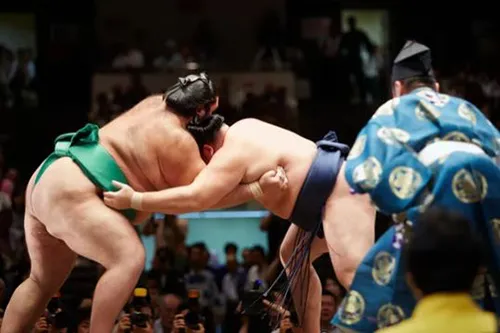
In recent decades, several Yokozuna have come from outside Japan. Their success sparked debate at first, as some questioned whether non-Japanese wrestlers could fully embody the cultural role of Yokozuna.
Over time, these perceptions have evolved. Many foreign-born Yokozuna demonstrated deep respect for tradition and became beloved figures. Their presence highlighted that hinkaku is defined by behavior and attitude, not nationality.
This shift also reflects sumo’s place in a globalized world—rooted in Japanese tradition, yet open to those willing to fully commit to its values.
The Yokozuna’s Inner Conflict
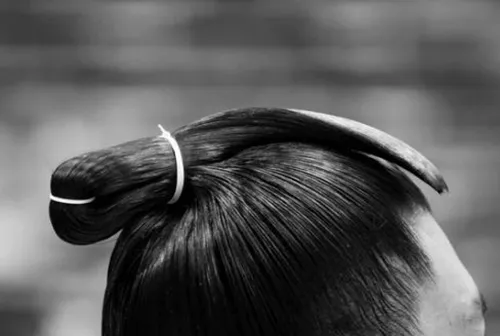
Perhaps the most compelling aspect of the Yokozuna rank is the tension between humanity and idealism. Yokozuna are expected to be flawless representatives of sumo, yet they remain human—subject to injury, doubt, and emotional strain.
This contradiction is what gives the rank its sense of destiny. A Yokozuna is admired not only for how they win, but for how they endure responsibility. Their career becomes a narrative shaped by expectation as much as achievement.
Yokozuna as Cultural Icons
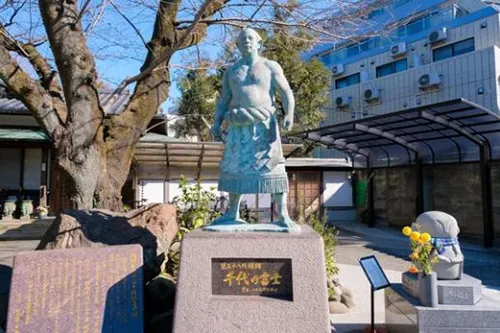
Beyond the dohyo, Yokozuna often become symbols of their era. Their fighting style, personality, and rivalries leave lasting impressions on fans. Even years after retirement, former Yokozuna are remembered and referenced as benchmarks for greatness.
In this way, Yokozuna influence how sumo is remembered and discussed. They define standards that future generations aspire to, even knowing how difficult those standards are to reach.
Conclusion: The Weight of the White Rope
→Understand Sumo Wrestling in Depth
The Yokozuna is not merely the strongest wrestler in sumo. It is a role defined by dignity, sacrifice, and an unspoken promise to protect the spirit of the sport. The white rope worn during ceremonies symbolizes purity, but it also represents burden—a visible reminder that greatness in sumo comes with responsibility.
To become a Yokozuna is to accept a destiny shaped by tradition. To live as one is to balance power with restraint, ambition with humility. And to retire as one is to leave behind not just a record of wins and losses, but a legacy that continues to shape sumo long after the final bout.
Thank you for reading.