
Japan has many seasonal traditions that quietly mark the passage of life, and Shichi-Go-San is one of the most beloved. If you live in Japan or are raising a child here, you may see children in elegant kimono visiting shrines every autumn. This is not a festival in the loud, crowded sense, but a family-centered rite of passage—calm, meaningful, and deeply tied to everyday life in Japan.
What Is Shichi-Go-San?
Shichi-Go-San (七五三) literally means “Seven–Five–Three.” It is a traditional Japanese event that celebrates the healthy growth of children at specific ages: three, five, and seven. Rather than marking a birthday, it is a symbolic milestone, thanking the gods for a child’s well-being and asking for continued protection.
Historically, childhood was a fragile time. In earlier centuries, many children did not survive past early childhood, so reaching these ages was considered worthy of prayer and gratitude. While modern medicine has changed the reality of child-rearing, the custom remains as a way for families to pause and reflect on growth—physical, emotional, and social.
Shichi-Go-San is not a public holiday, and there is no strict national rule about how to celebrate it. That flexibility is one reason the tradition continues to fit naturally into modern life.
The Cultural Meaning Behind the Ages
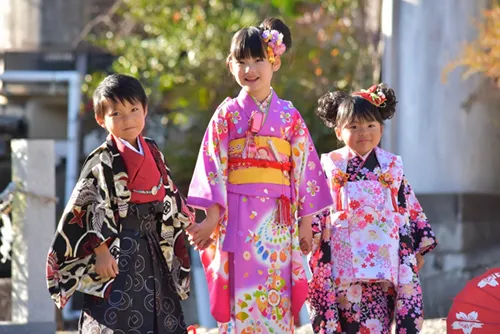
The ages celebrated during Shichi-Go-San are not random. Each one carries historical and cultural significance rooted in old Japanese customs.
1. Why Age Three Matters
Around age three, children in the past were allowed to grow their hair for the first time after infancy, when heads were often shaved for hygiene. This step symbolized survival past the most vulnerable early years.
2. Why Age Five Is Important for Boys
At five, boys historically participated in a ceremony marking their first time wearing hakama (traditional trousers). It symbolized stepping toward social responsibility and strength.
3. Why Age Seven Is Celebrated for Girls
For girls, age seven marked the transition from tying kimono with simple cords to wearing an obi (wide sash). This was seen as an important step toward maturity.
Today, these meanings are mostly symbolic, but they still shape how the tradition is understood and passed down.
When Is Shichi-Go-San Celebrated?

Shichi-Go-San is traditionally associated with November 15, but in reality, families celebrate it throughout October and November. Some even choose dates earlier or later based on convenience, weather, or shrine availability.
Unlike Western-style holidays, the date is flexible. Shrines do not limit visits to a single day, and photography studios often spread bookings across several weeks. This relaxed timing reflects the personal nature of the event—it is about the family, not the calendar.
Where Shichi-Go-San Takes Place
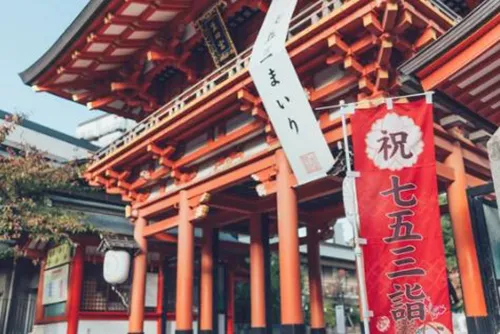
The heart of Shichi-Go-San is the visit to a Shinto shrine. Families choose a local neighborhood shrine or a well-known larger shrine, depending on personal preference.
At the shrine, parents bring their children to receive blessings from a Shinto priest. This ritual is called oharae or kito, depending on the shrine. During the ceremony, prayers are offered for the child’s health, happiness, and future.
There is no requirement to visit a shrine associated with your family lineage. Many families simply choose the most convenient or meaningful shrine near their home.
What Children Wear on Shichi-Go-San
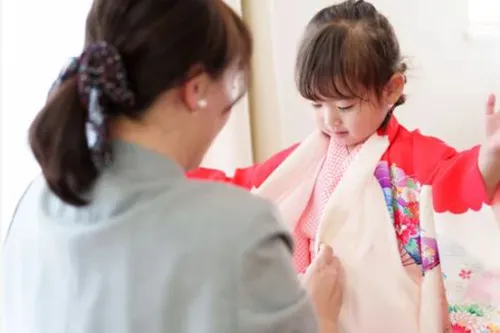
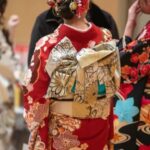
One of the most visually striking aspects of Shichi-Go-San is clothing. Traditional outfits are common, but modern interpretations are widely accepted.
Traditional Clothing
Many children wear formal kimono, often rented for the day.
- Girls may wear brightly colored kimono with seasonal patterns.
- Boys often wear kimono with hakama, giving a dignified appearance.
Dressing children in kimono can be time-consuming and expensive, which is why rental services are extremely popular. These services often include dressing assistance and hairstyling.
Western-Style Clothing
It is also perfectly acceptable for children to wear Western-style formal wear. Dresses, suits, and smart casual outfits are increasingly common, especially for younger children or families seeking a simpler experience.
There is no social pressure to choose one over the other. Comfort and practicality often guide the decision.
What Happens During a Shichi-Go-San Visit?
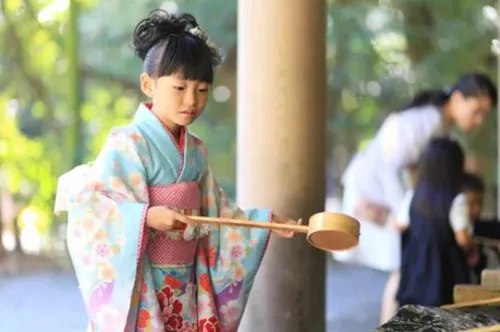
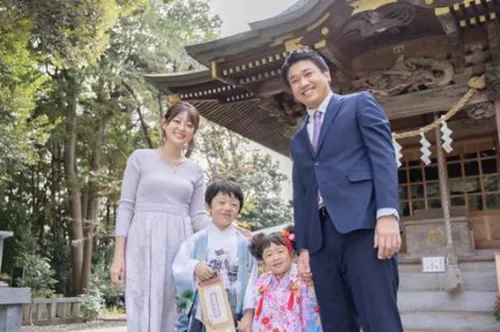
A typical Shichi-Go-San day is calm and structured, but not rigid. Families often follow a natural flow rather than a fixed schedule.
First, the family arrives at the shrine and purifies their hands and mouth at the water pavilion. If a formal blessing is reserved, they check in at the shrine office. The priest then conducts a short ceremony that includes prayers, symbolic movements, and offerings.
After the ceremony, families usually take photographs around the shrine grounds. This moment is often as important as the ritual itself, creating memories that are kept for years.
Many families then go out for a meal or return home to celebrate quietly.
Chitose Ame: A Sweet Symbol of Longevity
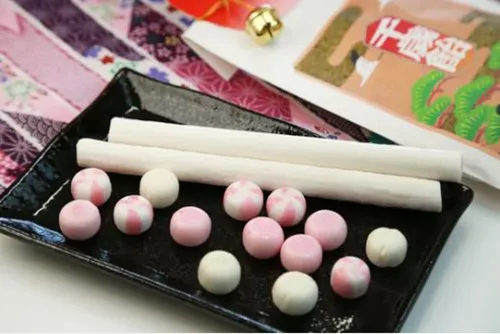
No Shichi-Go-San celebration feels complete without chitose ame, long, thin candy traditionally given to children. “Chitose” means “a thousand years,” and the candy’s length symbolizes long life.
The candy is often packaged in decorative bags featuring cranes, turtles, or pine trees—symbols of longevity in Japanese culture. Children may not always finish the candy, but the act of receiving it holds symbolic value.
How to Celebrate Shichi-Go-San Step by Step
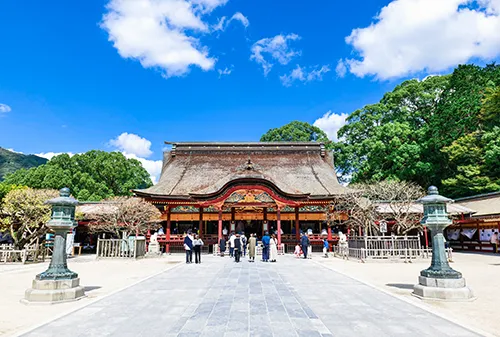
For families unfamiliar with Japanese customs, the process may feel unclear at first. In practice, it is simpler than it appears.
1. Decide Whether to Celebrate This Year
Children are often celebrated based on traditional ages, but some families choose to adjust based on the child’s development or birth month. Celebrating slightly early or late is common and socially accepted.
2. Choose a Shrine
Select a shrine that is convenient or meaningful. Some shrines require reservations for blessings, while others accept walk-ins.
3. Plan Clothing
Decide whether to rent traditional clothing, wear Western attire, or mix both. Comfort matters, especially for younger children.
4. Reserve Photography (Optional)
Many families book professional photo sessions either at a studio or outdoors near the shrine. This is optional, not expected.
5. Visit the Shrine and Celebrate
Take your time. There is no rush and no strict etiquette beyond basic respect.
How Much Does Shichi-Go-San Cost?
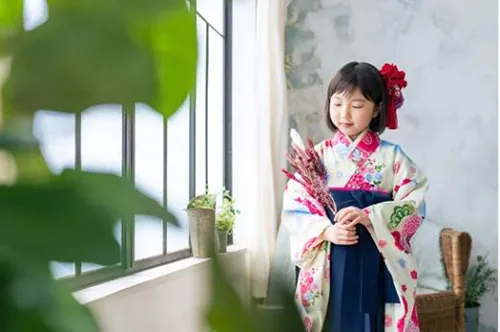
The cost of celebrating Shichi-Go-San can vary widely depending on how formal or simple the family chooses to make the day. There is no “standard” budget, and spending more does not mean a better or more meaningful celebration. Many families adjust the scale to match their lifestyle, schedule, and the age of the child.
In general, expenses fall into a few main categories: shrine-related costs, clothing, photography, and optional extras such as meals.
1. Shrine Fees and Offerings
Visiting a shrine itself is free, but families who request a formal blessing usually make a monetary offering. This is not a fixed price but a customary donation.
Most shrines suggest an amount ranging from ¥5,000 to ¥10,000 per child. Larger or more famous shrines may be slightly higher. The offering typically includes the priest’s prayer, a ceremonial item, and sometimes a small gift such as chitose ame.
2. Clothing Costs
Clothing is often the largest expense, especially when choosing traditional attire.
Renting a kimono is very common and helps keep costs manageable. Rental packages usually include the kimono, accessories, dressing assistance, and sometimes hairstyling. Prices generally range from ¥10,000 to ¥30,000 per child, depending on the design and whether photos are included.
Buying a kimono is significantly more expensive and can cost ¥50,000 or more, which is why most families choose rental services.
Families who opt for Western-style clothing often spend much less, especially if they already own suitable outfits.
3. Photography
Professional photos are optional but popular. Some families book studio photo sessions, while others prefer outdoor photography near the shrine.
Photo packages typically range from ¥20,000 to ¥50,000, depending on the number of photos, prints, digital data, and session length. Budget-conscious families sometimes skip professional photography and take photos themselves, which is completely acceptable.
4. Meals and Small Celebrations
After visiting the shrine, many families go out for a meal to mark the occasion. This could be a casual lunch at home or a reservation at a restaurant.
Costs vary greatly here, but a family meal often adds ¥5,000 to ¥15,000 to the total, depending on location and number of people.
Typical Total Cost Range
When all elements are combined, a simple Shichi-Go-San celebration might cost around ¥15,000 to ¥30,000, while a more formal, photo-focused celebration can reach ¥50,000 to ¥80,000 or more.
What matters most is not the amount spent, but the intention behind the day. Many families consciously keep things simple, focusing on the shrine visit and time spent together rather than elaborate preparations.
Shichi-Go-San and Modern Family Life
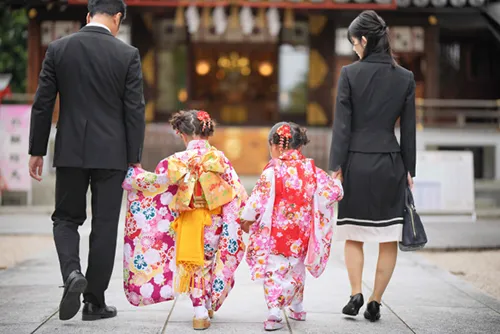
In modern Japan, Shichi-Go-San has evolved into a blend of tradition and practicality. Dual-income households, international families, and urban lifestyles have all shaped how the event is celebrated.
Some families focus more on photos than rituals. Others keep the shrine visit short and meaningful. There is no single “correct” approach, and that flexibility is part of why Shichi-Go-San remains relevant.
For families from outside Japan, participation is generally welcomed. Shrines are accustomed to visitors of many backgrounds, and language barriers rarely become a problem. A respectful attitude is more important than perfect knowledge of customs.
Common Questions and Misunderstandings
Shichi-Go-San often raises questions, especially for those experiencing it for the first time. One common misunderstanding is that participation is mandatory. It is not. Another is that everything must be traditional. That is also untrue.
The event is best understood not as a test of cultural knowledge, but as a family moment shaped by intention rather than rules.
Summary: Why Shichi-Go-San Still Matters
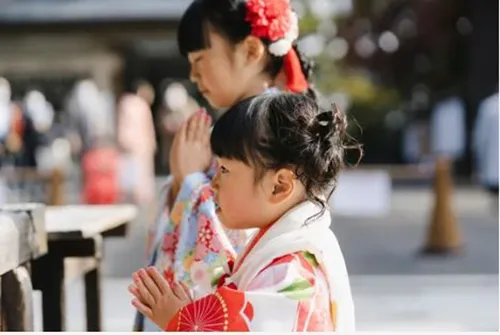
Shichi-Go-San is a quiet celebration of growth, gratitude, and continuity. It does not demand perfection or strict adherence to tradition. Instead, it offers families a chance to pause, look at how far a child has come, and express hope for the future.
Whether marked with a formal shrine visit, a simple family photo, or a small treat at home, Shichi-Go-San remains meaningful because it adapts. It honors the past while making space for modern life—something many families, Japanese and international alike, can appreciate.
Thank you for reading.