
As the New Year approaches in Japan, families begin preparing for one of the most anticipated moments for children: receiving otoshidama. While it may look like a simple custom of giving money, otoshidama carries centuries of cultural meaning and reflects how Japanese families view growth, gratitude, and the passage of time. Understanding this tradition offers a deeper glimpse into everyday life in Japan, especially during the New Year season.
What Is Otoshidama?
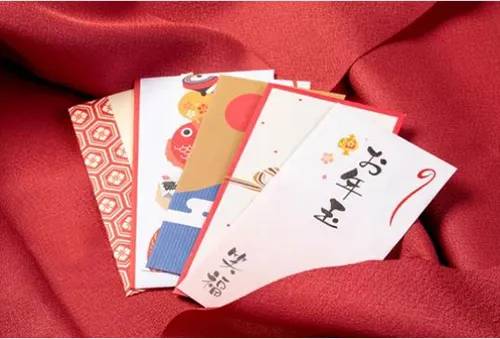
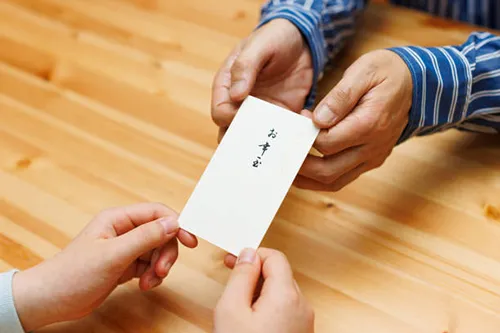
Otoshidama is a New Year’s monetary gift given primarily to children. The money is usually placed inside a small decorative envelope called a pochibukuro and handed directly to the child during New Year celebrations. Although the custom is simple on the surface, it is deeply connected to Japan’s seasonal rituals and family relationships.
The word otoshidama originally referred not to money, but to sacred offerings made at the beginning of the year. Over time, the meaning shifted from ritual objects to coins and eventually paper currency. Today, otoshidama is one of the most recognizable aspects of the Japanese New Year.
The Historical Origins of Otoshidama
The origins of otoshidama can be traced back to traditional New Year rituals in which families welcomed a deity believed to bring good fortune for the coming year. At that time, offerings such as rice cakes were prepared and later shared among family members as sacred gifts representing divine blessings.
As Japanese society gradually became more monetized, these ritual offerings began to change in form. Coins eventually replaced food offerings, and over time, paper money became more common. Along with this shift, the focus of otoshidama naturally moved toward children.
One reason for this change was the growing idea that the New Year marked not only the passage of time, but also a child’s physical and social growth. Giving money to children came to symbolize wishes for their healthy development, education, and future independence. Rather than simply sharing a blessing equally among all family members, adults began directing that blessing toward the younger generation.
By the modern era, otoshidama had become firmly established as a custom in which adults pass good fortune to children in the form of money. Although the religious meaning has faded for many families, the act still reflects its original purpose: celebrating renewal, growth, and hopes for the year ahead.
When Is Otoshidama Given?
Otoshidama is typically given during the New Year holiday period, which runs from January 1 to January 3. Many families exchange gifts when they first gather in the new year, often during visits to grandparents’ homes.
In some households, otoshidama is given on New Year’s Day itself, while in others it may be handed over during the first family gathering of the year. There is no strict rule, but it is understood that otoshidama belongs specifically to the New Year season.
Who Gives Otoshidama?
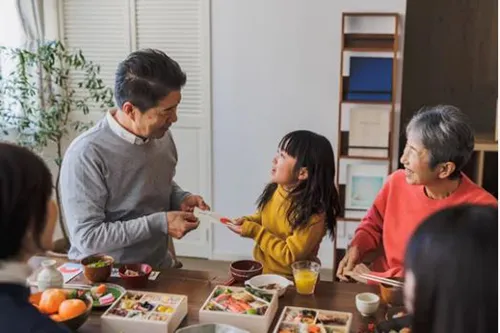
Otoshidama is usually given by adults to children within the family. Parents, grandparents, aunts, uncles, and sometimes close family friends may all give otoshidama.
It is uncommon for children to receive otoshidama from non-family members, such as teachers or neighbors. The custom emphasizes family bonds rather than social obligation.
In most cases, adults do not give otoshidama to other adults. Once a person enters the workforce or becomes financially independent, they are generally expected to stop receiving otoshidama and begin giving it instead.
Who Receives Otoshidama?
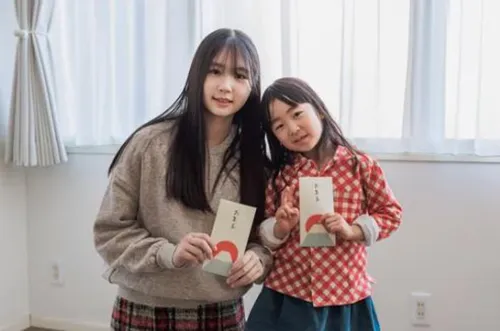
Children from infancy through high school typically receive otoshidama. University students may still receive it in some families, especially if they are financially dependent, but this varies by household.
The age range is flexible and depends on family values. Some families stop giving otoshidama once a child graduates from high school, while others continue until the child starts full-time work.
How Much Money Is Given?
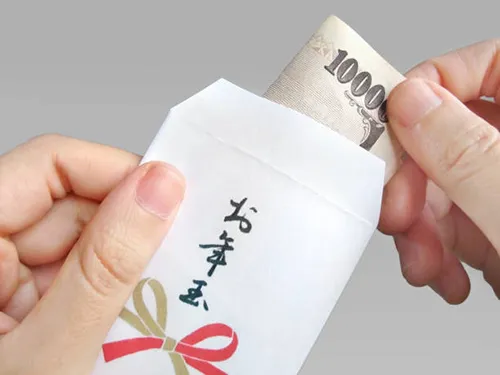
The amount of otoshidama given depends largely on the child’s age. Younger children receive smaller amounts, while older children and teenagers receive more. The increase reflects growing responsibility and maturity.
Rather than a fixed rule, there is a general social expectation that amounts gradually rise each year. This progression helps children learn about money management while also acknowledging their growth.
Average Otoshidama Amounts by Age
While exact amounts vary, many families follow informal guidelines. Preschool children may receive just a small sum, while high school students often receive significantly more.
The money is almost always given in cash, and it is typically prepared in advance for the New Year, often placed neatly inside a small decorative envelope.
| Child’s Age Group | Typical Otoshidama Amount (JPY) |
|---|---|
| Preschool (0–5) | ¥500 – ¥1,000 |
| Elementary School | ¥1,000 – ¥5,000 |
| Junior High School | ¥3,000 – ¥10,000 |
| High School | ¥5,000 – ¥10,000+ |
For preschool-aged children, the otoshidama they receive is usually managed by their parents rather than the children themselves.
The Role of the Pochibukuro
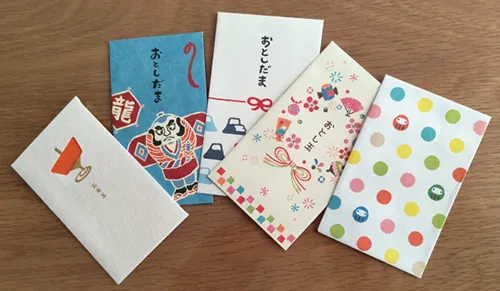
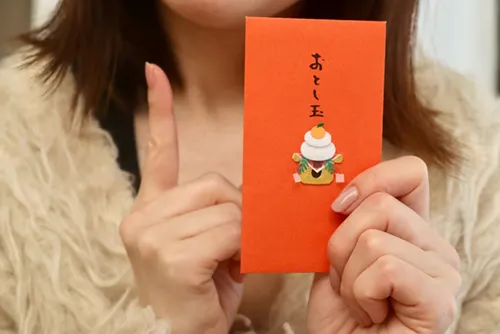
The pochibukuro is a small envelope designed specifically for otoshidama. These envelopes often feature cute illustrations, traditional motifs, or seasonal designs.
Choosing a suitable pochibukuro is considered part of the gift. Adults often select designs that match the child’s age or personality. Writing the child’s name on the envelope is common and adds a personal touch.
How Otoshidama Is Given
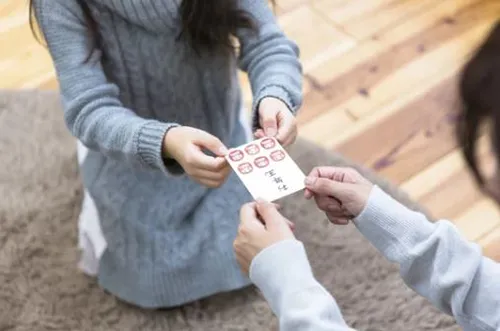
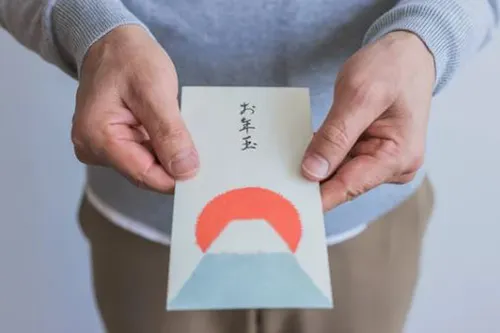
Otoshidama is usually handed directly to the child with a short New Year greeting. The exchange is simple and polite, reflecting Japanese social norms.
Children are generally expected to receive the envelope with both hands and say “thank you.” Parents often remind younger children to express gratitude properly.
Cultural Meaning of Otoshidama
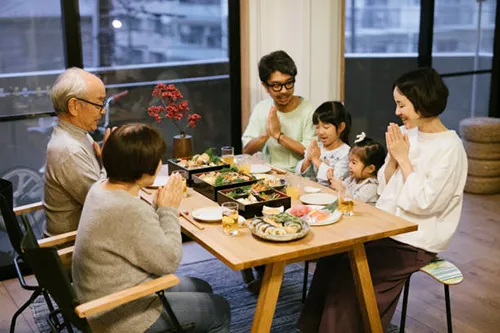
Otoshidama is not just about money. It symbolizes blessings for the coming year, wishes for healthy growth, and encouragement toward independence.
By receiving otoshidama, children learn that the New Year is a time of renewal and appreciation. The tradition also reinforces family connections, as it brings multiple generations together.
Teaching Children About Money
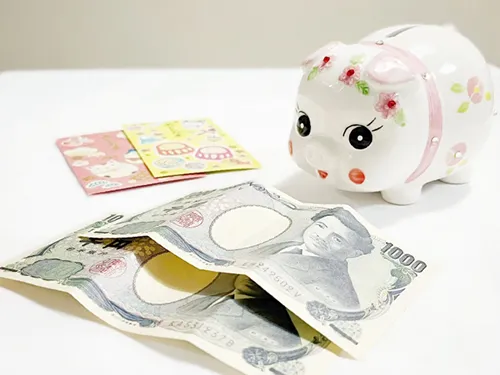
For many Japanese children, otoshidama becomes an early lesson in managing money. Parents may encourage children to save part of it, spend some, and possibly donate a small amount.
Some families help children open their first bank account using otoshidama money, turning the tradition into a practical learning experience.
Modern Changes in Otoshidama
While the core custom remains unchanged, modern lifestyles have influenced how otoshidama is handled. In smaller families, children may receive larger amounts because there are fewer recipients.
addition, children with many relatives often receive otoshidama from multiple family members, which naturally increases the total amount they receive.
At the same time, economic concerns have led some families to set clear limits. The emphasis is increasingly placed on meaning rather than amount.
Otoshidama in Multicultural Families
In international or multicultural households living in Japan, otoshidama is sometimes blended with other New Year traditions. Some families explain the custom carefully so children understand its cultural background rather than viewing it as “free money.”
This approach helps preserve the spirit of otoshidama while adapting it to diverse family structures.
Common Questions About Otoshidama
1. Is otoshidama mandatory?
Otoshidama is a custom, not a legal or social obligation. Families decide how and whether to participate.
2. Can gifts replace money?
Money is standard, but some families give small gifts to very young children instead.
3. Should foreigners living in Japan give otoshidama?
If you are closely connected to a Japanese family, giving otoshidama is appreciated but not required. Observing and asking politely is often the best approach.
Summary: Why Otoshidama Still Matters
Otoshidama remains a cherished part of the Japanese New Year because it goes beyond financial value. It represents shared hopes, respect between generations, and the marking of personal growth.
Through a small envelope and a simple exchange, families pass down tradition, teach gratitude, and welcome the year ahead together.
Thank you for reading.