For many people outside Japan, sumo looks like a lifelong calling. But in reality, most sumo wrestlers retire young, often in their 30s, and must quickly adjust to life beyond the ring.
So what kind of financial support do they actually receive when their careers end?
This article explains, clearly explains what kinds of payments and financial support sumo wrestlers receive after retirement.
(This article contains affiliate links. As an Amazon Associate, we may earn from qualifying purchases.)
How Retirement Money Works in Professional Sumo

Unlike major Western sports leagues, sumo does not offer massive salaries or guaranteed lifelong security. Instead, the Japan Sumo Association (JSA) provides a structured retirement system focused on long service, rank, and contribution to the sport.
Retirement income generally comes from three main areas:
- Lump-sum retirement payments paid at the time of retirement
- A monthly pension paid later in life
- Additional income related to retirement events or accumulated funds
Only wrestlers who reach salaried ranks are eligible for most of these benefits.
Lump-Sum Retirement Payments (Severance Pay)
The core of a sumo wrestler’s retirement money is a one-time severance payment paid by the Japan Sumo Association. This payment is made up of several components.
1. Yōrōkin (Basic Retirement Payment)
The yōrōkin is the base retirement payment given to wrestlers who reached jūryō or higher.
- It is a fixed base amount determined by highest rank
- For yokozuna, the standard base amount is ¥15 million
Lower ranks receive smaller base amounts, but wrestlers who never reach jūryō receive nothing under this system.
2. Kinzoku Kasankin (Service-Based Additional Payment)
The kinzoku kasankin is an additional payment calculated based on:
- The wrestler’s rank during each tournament
- The total number of tournaments (basho) they were active
This payment rewards consistency and longevity.
Typical additions per tournament include:
- Yokozuna: ¥500,000 per tournament
- Ōzeki: ¥400,000 per tournament
Tournaments missed due to full absence do not count toward this calculation.
Over a long career, this portion can grow significantly, especially for wrestlers who stay in top ranks for many years.
3. Tokubetsu Kōrōkin (Special Achievement Payment)
The special achievement payment is awarded when yokozuna or ōzeki retire.
Unlike other payments, this amount is not fixed and is decided by the JSA board based on:
- Competitive achievements
- Contribution to sumo
- Public image and leadership
The exact amounts are not publicly disclosed, but past examples suggest payments ranging from tens of millions of yen to over ¥100 million.
One widely cited case is former Yokozuna Takanohana, who is said to have received ¥130 million, considered the highest amount on record.
Eligibility Rules and Important Conditions
Not every wrestler automatically qualifies for full retirement benefits.
To receive the standard retirement payment:
- The wrestler must have reached jūryō or higher
- They must meet minimum service requirements, such as:
- 20 consecutive tournaments in makuuchi, or
- 25 total tournaments in makuuchi
Wrestlers who fall short of these conditions may see their service-based payments reduced.
Disciplinary Issues
Retirement benefits can be reduced or lost entirely in certain cases:
- Wrestlers who are expelled receive nothing
- Those dismissed under serious disciplinary action may lose part or all of their payments
This reflects the association’s emphasis on discipline and responsibility.
Monthly Pension After Retirement
In addition to the lump-sum payment, eligible wrestlers receive a monthly pension from the Japan Sumo Association.
This pension:
- Is funded by association revenue and wrestler contributions
- Is separate from Japan’s public pension system
- Provides steady, modest income rather than luxury
Approximate monthly amounts often discussed are:
- Former jūryō: around ¥100,000–¥150,000
- Former makuuchi: around ¥150,000–¥200,000
- Former yokozuna and san’yaku: ¥250,000 or more
The pension is meant to support daily life, not fully replace employment income.
Other Income Related to Retirement
Income From Retirement Ceremonies
Many wrestlers hold a danpatsu-shiki (retirement hair-cutting ceremony).
Income may come from:
- Ticket sales
- Gifts from supporters
- Event-related merchandise
For popular wrestlers, this can be a meaningful source of one-time income.
Association Accumulated Funds
A portion of prize money and bonuses—separate from a wrestler’s take-home pay—is accumulated by the association and returned at retirement.
In exceptional cases, this amount can be very large.
Former Yokozuna Hakuhō is said to have accumulated close to ¥400 million through this system.
Life After Retirement: How Former Wrestlers Earn a Living
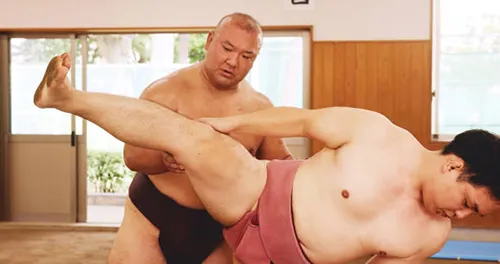
Most retired wrestlers do not live on pensions alone.
Common post-retirement paths include:
- Becoming a stablemaster or coach (for those who acquire elder stock)
- Media work such as TV commentary
- Coaching amateur or school sumo
- Opening restaurants or businesses
- Working in physically demanding professions
Retirement payments help former wrestlers transition, but long-term stability usually depends on a second career.
Common Misunderstandings About Life After Sumo Retirement
A common misconception is that all sumo wrestlers retire wealthy. In reality:
- Only a small percentage reach ranks with large payments
- Most wrestlers live modestly after retirement
- The system rewards rank, longevity, and discipline—not fame alone
Sumo provides structure and dignity after retirement, but not automatic financial security.
Summary: A Practical Safety Net, Not a Fortune
Retired sumo wrestlers receive retirement payments and pensions that reflect their rank, service, and contribution to the sport.
For top wrestlers, retirement can be financially comfortable. For others, these systems simply make it possible to move on with stability and respect.
Rather than creating instant wealth, sumo’s retirement system functions as a practical safety net—one that supports wrestlers as they begin the next chapter of their lives.
Thank you for reading.