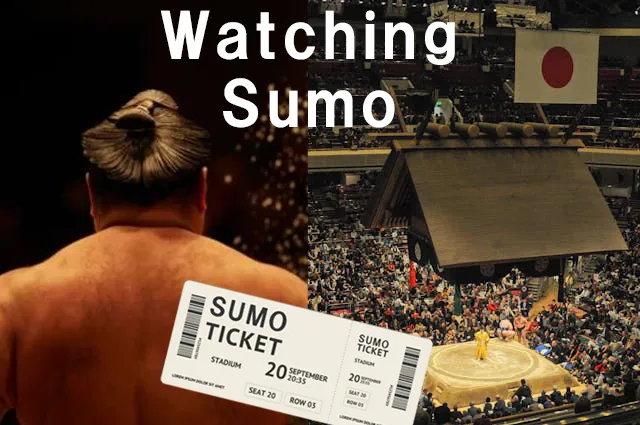
If you’re visiting Japan—or already living here—and looking for a uniquely Japanese sports experience, sumo is something you shouldn’t miss. It’s not just a sport; it’s a blend of tradition, ritual, and competition that has been preserved for centuries. This guide will walk you through how to watch sumo, where and when tournaments are held, how the ranking system works, and most importantly, how to get tickets and choose the best seats.
(This article contains affiliate links. As an Amazon Associate, we may earn from qualifying purchases.)
What is Sumo and Why Watch It?
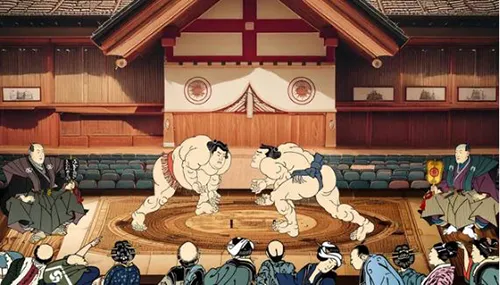
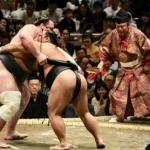
Sumo is Japan’s national sport, with roots going back over a thousand years. Unlike many modern sports, it still incorporates rituals influenced by Shinto traditions. Watching sumo is not only about the matches themselves, but also about the atmosphere, the ceremonies, and the cultural context.
Matches are quick—often lasting just a few seconds—but the buildup, the tension, and the techniques make each bout fascinating. Even if you don’t fully understand the rules at first, it’s easy to enjoy.
When and Where Are Sumo Tournaments Held?
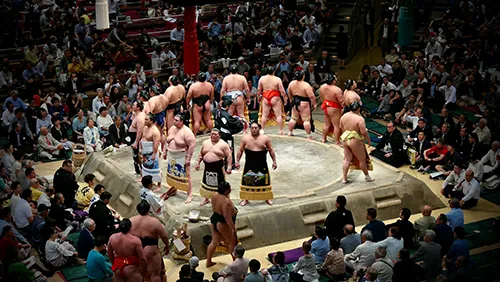
Professional sumo tournaments, known as “honbasho,” are held six times a year. Each tournament lasts 15 days.
1. Annual Tournament Schedule
- January: Tokyo
- March: Osaka
- May: Tokyo
- July: Nagoya
- September: Tokyo
- November: Fukuoka
Tokyo tournaments are held at Ryogoku Kokugikan, the most famous sumo arena in Japan.
2. Daily Schedule
A tournament day runs from morning to evening:
- Morning (around 8:30 AM): Lower division matches begin
- Afternoon (around 2:00 PM): Higher-ranked wrestlers start appearing
- Evening (around 6:00 PM): Top division matches and final bouts
If you want to see the most famous wrestlers, arriving in the afternoon is usually enough. However, arriving earlier gives you a more relaxed experience and a chance to see up-and-coming talent.
Understanding Sumo Rankings
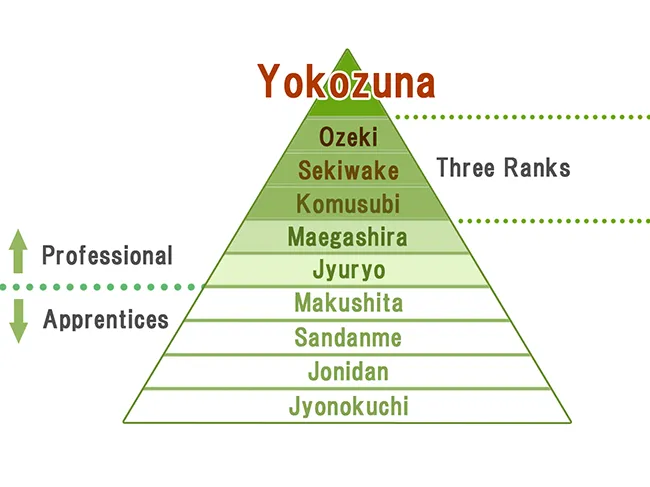
Sumo wrestlers are divided into divisions based on skill and performance. The ranking system is called “banzuke.”
1. Main Divisions
From highest to lowest:
- Makuuchi (Top division)
- Juryo
- Makushita
- Sandanme
- Jonidan
- Jonokuchi
2. Key Ranks in Makuuchi
Within the top division, there are special ranks:
- Yokozuna: Grand Champion (highest rank)
- Ozeki: Champion rank below Yokozuna
- Sekiwake and Komusubi: Junior champion ranks
- Maegashira: Ranked wrestlers below the top titles
Yokozuna are rare and represent the highest level of sumo excellence. Watching them live is a highlight for many visitors.
How to Get Sumo Tickets

Getting tickets can be straightforward if you plan ahead, but popular days sell out quickly—especially weekends and final days.
1. When Tickets Go on Sale
Tickets usually go on sale about one month before each tournament. For example, tickets for a May tournament typically become available in early April.
2. Where to Buy Tickets
There are several ways to purchase tickets:
- Official online ticket sites (English versions available)
- Convenience stores in Japan (like Lawson, 7-Eleven, FamilyMart)
- Travel agencies and ticket resellers
- At the venue (limited same-day tickets)
3. Step-by-Step: Buying Online
- Visit an official sumo ticket website (English-supported)
- Select your tournament (location and date)
- Choose your seating type
- Pick your preferred day (weekends sell out fast)
- Create an account if required
- Enter payment details (credit card usually accepted)
- Receive confirmation and ticket pickup instructions
Tickets may be delivered electronically or require pickup at a convenience store.
4. Same-Day Tickets
Some venues offer a small number of same-day tickets, usually for upper-level seats. These are first-come, first-served and require lining up early in the morning.
Seating at Ryogoku Kokugikan
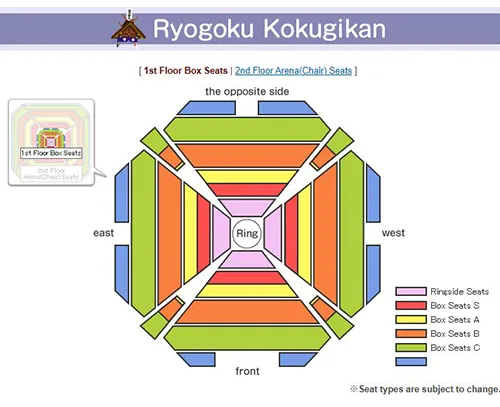
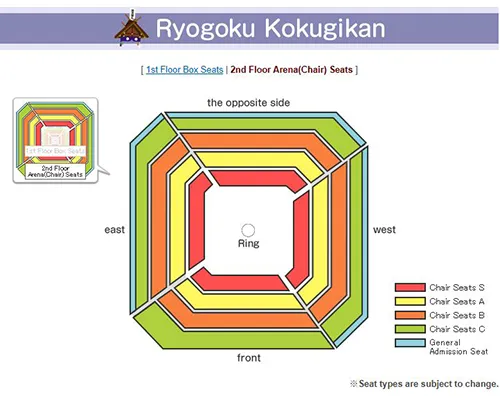
Ryogoku Kokugikan offers a variety of seating options, each with a different experience.
1. Ringside Seats (Tamari Seats)
These are the closest seats to the ring.
- Very close to the action
- No shoes allowed
- Risk of wrestlers falling into the audience
- Expensive and limited availability
Best for those who want the most intense, up-close experience.
2. Box Seats (Masu Seats)
Traditional Japanese-style seating areas for small groups.
- Square seating areas with cushions
- Usually for 2–4 people
- Shoes removed
- Great balance of view and atmosphere
These are popular among both locals and tourists.
3. Arena Chair Seats
Western-style seating in the upper levels.
- Comfortable chairs
- Easier for long stays
- More affordable
- Good overall view of the arena
Ideal for first-time visitors or those who prefer comfort.
4. Which Seat Should You Choose?
If you want authenticity, go for box seats. If you prioritize comfort and budget, chair seats are a safe choice. Ringside seats are memorable but not necessary for a great experience.
Tips for First-Time Visitors
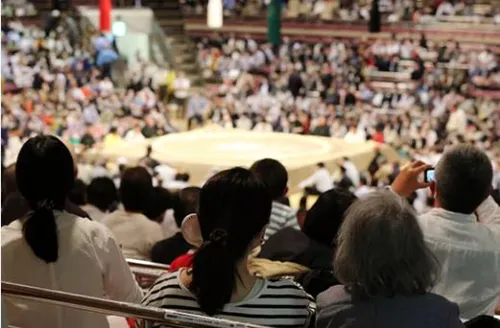
Watching sumo is more enjoyable if you know a few practical tips.
- Arrive early to explore the arena and watch lower division matches
- Bring snacks or buy food inside (bento boxes are popular)
- Stay until the final bouts if possible—the atmosphere builds throughout the day
- Respect the quiet moments during matches
Photography is generally allowed, but avoid flash.
Food and Souvenirs
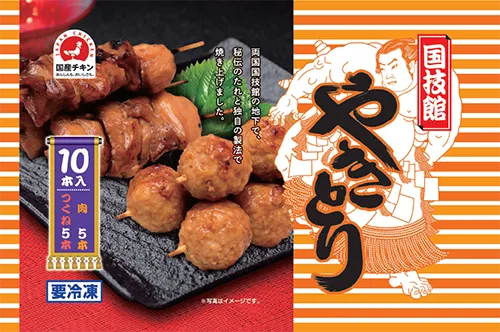
Inside the arena, you’ll find traditional foods and sumo-themed souvenirs.
Popular options include:
- Bento lunch boxes
- Yakitori (grilled chicken skewers)
- Sumo-themed merchandise like towels and figurines
Eating while watching is completely normal and part of the experience.
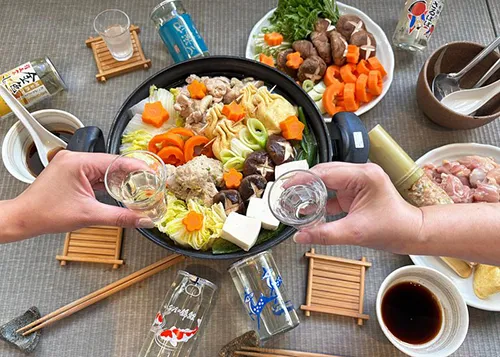
Q&A for Foreign Visitors
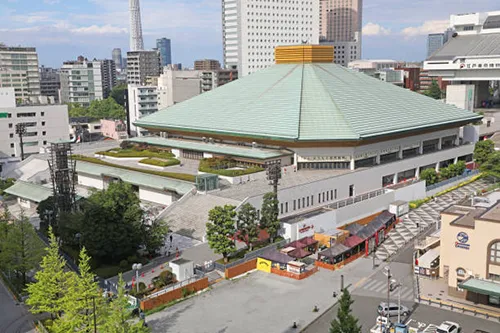
1. Do I need to understand Japanese?
Not at all. While announcements are mostly in Japanese, the structure of the event is easy to follow visually. English pamphlets are often available.
→Understand Sumo Wrestling in Depth
2. Can I leave and re-enter?
Yes, most tickets allow re-entry. Just make sure to check your ticket conditions.
3. What should I wear?
There’s no strict dress code. Casual clothing is fine, but avoid overly revealing outfits out of respect for the traditional setting.
4. Are children allowed?
Yes, sumo is family-friendly. Just be mindful that matches can be quiet, so noisy behavior may stand out.
5. Is it worth going if I don’t know the rules?
Absolutely. The experience is enjoyable even without deep knowledge, and you’ll quickly pick up the basics as you watch.
Final Thoughts
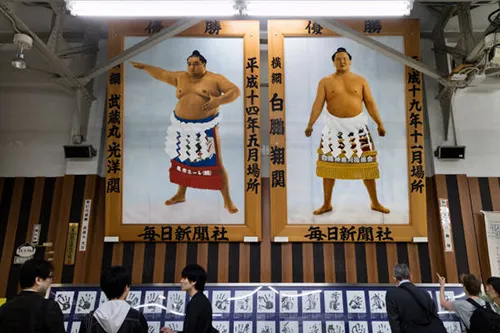
Watching sumo in Japan is one of those experiences that stays with you. It combines sport, culture, and history in a way that few other events can. Whether you sit ringside or in the upper tiers, the energy inside the arena and the simplicity of each match make it accessible and memorable.
If you’re planning your trip or looking for something different to do in Japan, adding a sumo tournament to your itinerary is a solid choice. With a bit of preparation—especially when it comes to tickets—you can enjoy one of Japan’s most iconic traditions up close.
Thank you for reading.