Moving to Japan with children often means learning an entirely new school culture. One topic that frequently surprises foreign parents is the PTA. You may hear about it soon after your child enters a public school, often through printed notices written only in Japanese. This article explains what the PTA in Japan actually is, what it does, how much commitment it involves, and what options foreign parents realistically have today.
What Is the PTA in Japan?

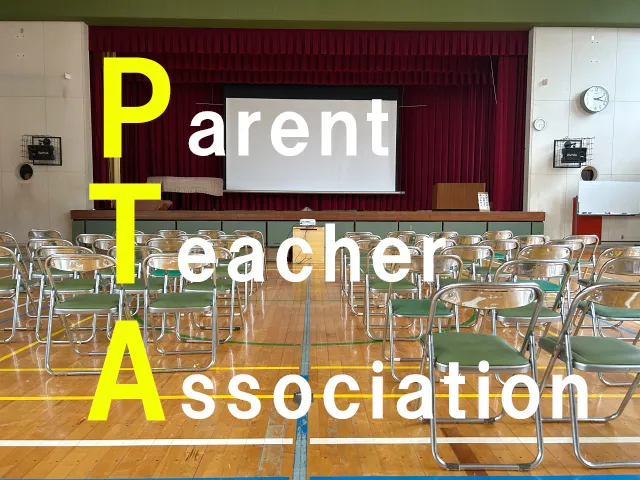
PTA in Japan stands for Parent-Teacher Association, but its role is broader and more hands-on than what many people expect based on their home countries.
In most Japanese public elementary and junior high schools, the PTA is a parent-run organization that works alongside teachers and the school administration. Its stated purpose is to support children’s education, school safety, and community ties. In practice, this support often takes the form of volunteer labor rather than financial contributions alone.
Unlike PTAs in some countries, Japanese PTAs are often deeply integrated into everyday school operations. This can make the organization feel less optional, especially to newcomers.
Is the PTA a Government Organization?

No. The PTA is not a government body and is not part of the formal education system.
However, this distinction can feel unclear because:
- Schools often distribute PTA information
- Teachers may attend PTA meetings
- PTA activities are closely tied to school events
Legally, the PTA is considered a voluntary association. This point matters, especially when questions arise about whether participation is mandatory.
What Does the PTA Actually Do?
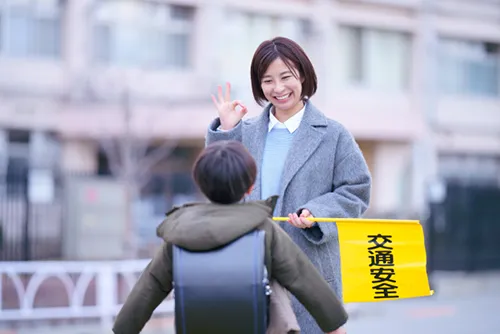
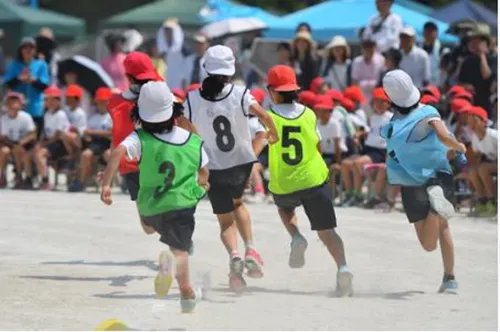
PTA activities vary widely by school and region, but there are some common patterns across Japan.
Most PTAs focus on:
- Supporting school events
- Enhancing child safety
- Maintaining communication between parents and teachers
- Filling gaps that schools cannot legally or financially cover
The work is usually divided among committees and short-term roles.
Typical PTA Activities in Japanese Schools
Below is a general overview of common PTA activities and how often they occur. Actual duties depend heavily on the school.
PTA Activity Overview Table (HTML)
| Activity | Description | Frequency |
|---|---|---|
| Event Support | Helping at sports days, festivals, ceremonies | Several times per year |
| Safety Patrols | Monitoring school routes or crossings | Weekly or monthly |
| Committee Work | Meetings and planning in small groups | Monthly or seasonal |
| Cleaning / Maintenance | Light cleaning or environment-related tasks | Occasional |
| PTA Meetings | General meetings for all members | 1–3 times per year |
For many parents, the time commitment is the biggest concern. While some roles require only a few hours per year, others can involve regular daytime participation.
How Are PTA Roles Assigned?
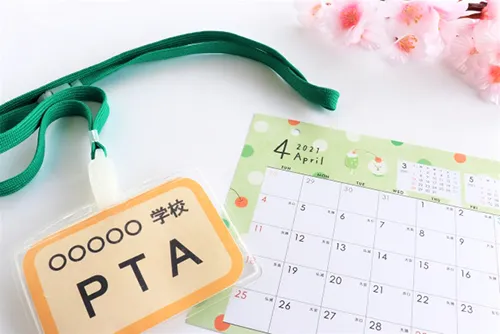
This is one of the most stressful aspects for many parents.
In many schools:
- Roles are assigned by rotation
- Parents may draw lots
- “Everyone takes a turn” is an unspoken rule
In theory, parents can decline. In practice, social pressure can be strong, especially in smaller communities.
Some schools allow parents to choose lighter roles, while others do not clearly explain the workload until after assignment.
Is Joining the PTA Mandatory?
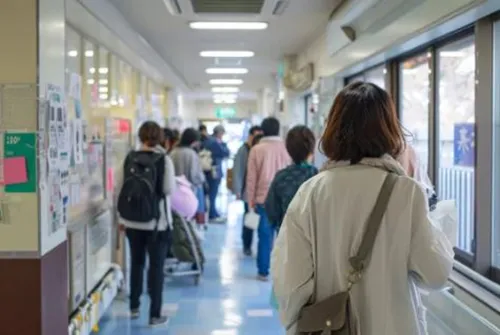
Officially, no.
PTA participation is voluntary under Japanese law.
In reality, it depends on the school.
Some schools:
- Clearly explain that PTA membership is optional
- Require written consent to join
- Respect non-participation
Others:
- Automatically enroll all parents
- Do not explain opt-out procedures
- Treat PTA as part of school life
This gap between legal status and social practice is one of the biggest sources of confusion for foreign parents.
What Happens If You Don’t Join?
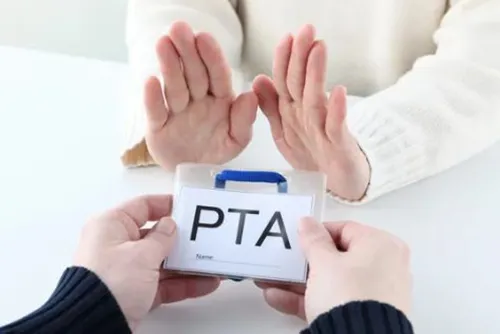
For most families, nothing serious happens, but experiences vary.
Possible outcomes include:
- No impact at all
- Mild social awkwardness with other parents
- Fewer informal connections within the school community
It is extremely rare for:
- Children to be treated differently by teachers
- Official penalties to occur
That said, in schools where PTA involvement is culturally expected, declining may require calm and clear communication.
PTA and Foreign Parents: Common Challenges

Foreign parents often face additional hurdles beyond time constraints.
1. Language Barriers
Most PTA documents and meetings are conducted entirely in Japanese. Even parents with conversational Japanese may struggle with formal or administrative language.
2. Unclear Expectations
PTA roles are often explained verbally or through printed handouts. There may be no clear written description of duties in advance.
3. Daytime Scheduling
Many PTA activities take place on weekday mornings or afternoons, which can be difficult for working parents.
Practical Advice for Foreign Parents
Foreign parents are not expected to handle PTA matters alone. These approaches often help.
1. Communicate Early
If language or scheduling is an issue, inform the school or PTA representative early. Many schools are more flexible than they appear.
2. Ask for Reduced or Support Roles
Some PTAs allow:
- Translation-only assistance
- One-time event help
- Non-leadership roles
3. Use Simple, Polite Japanese
You do not need perfect Japanese. Short, clear explanations are usually enough:
- Explaining work commitments
- Explaining language limitations
4. Seek Help from Other Parents
International families often find support from:
- Other foreign parents
- Japanese parents with international experience
- School counselors or homeroom teachers
Are PTAs Changing in Japan?

Yes. Slowly, but noticeably.
In recent years:
- Some schools have abolished PTAs entirely
- Others have reduced mandatory workloads
- Digital tools are replacing in-person meetings
- Opt-in systems are becoming more common
These changes are driven by:
- Dual-income households
- Declining birth rates
- Increased awareness of volunteer burden
However, reform is uneven, and traditional models still exist in many areas.
PTA Q&A for Foreign Parents
Q1. Can I refuse a PTA role if assigned?
Yes. While it may feel uncomfortable, you can decline, especially for reasons related to work or language ability.
Q2. Will my child be affected if I don’t participate?
In almost all cases, no. Teachers are trained to separate parental involvement from student treatment.
Q3. Can one parent handle everything?
Often yes. Some households designate one parent for PTA-related communication.
Q4. Are international schools different?
Yes. Many international schools have PTAs that function more like Western models, with clearly optional participation.
How to Approach PTA in Japan
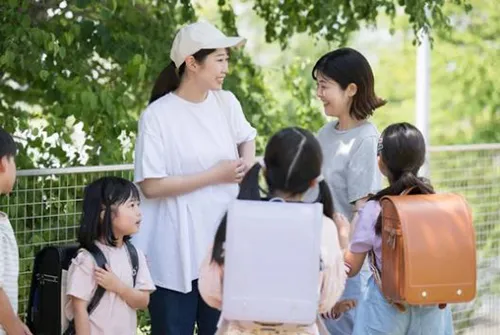
The PTA in Japan is best understood as a community-based volunteer system, not a formal obligation. While it can feel confusing or overwhelming at first, most schools are willing to accommodate reasonable concerns, especially for foreign families.
You do not need to be fluent in Japanese, overly enthusiastic, or constantly available to navigate PTA successfully. Understanding your options, communicating calmly, and setting clear boundaries are usually enough.
In many schools, PTA roles are assigned on a rotating basis, and in most cases, parents are expected to serve only once during their child’s time at the school, usually for a single year. Some parents choose to take on a role early, knowing that once it’s done, they can spend the remaining school years without ongoing PTA obligations and with much less stress.
Summary
PTA involvement in Japan varies widely by school, but it is never legally mandatory. Foreign parents may face extra challenges, yet support and flexibility are increasingly common. As Japan’s education environment evolves, PTAs are also changing—sometimes quietly, sometimes significantly.
Approach PTA participation with information rather than fear, and you’ll likely find it manageable, even if you choose limited involvement.
Thank you for reading.
Make Family Memories Here