
School lunch in Japan often comes up in conversations among parents, teachers, and anyone raising children here. It’s simple on the surface—kids eat together at school—but once you look closer, there are many small rules, routines, and cultural ideas behind it. From what actually appears on the tray, to how allergies are managed, to why milk is almost always included, Japanese school lunch has its own rhythm.
(This article contains affiliate links. As an Amazon Associate, we may earn from qualifying purchases.)
What Japanese Elementary School Lunch Really Looks Like
Japanese school lunch (給食, kyūshoku) is not meant to be fancy. Its main goals are nutrition, balance, and routine. Lunch is considered part of education, not just a break between classes.
A Typical Lunch Menu
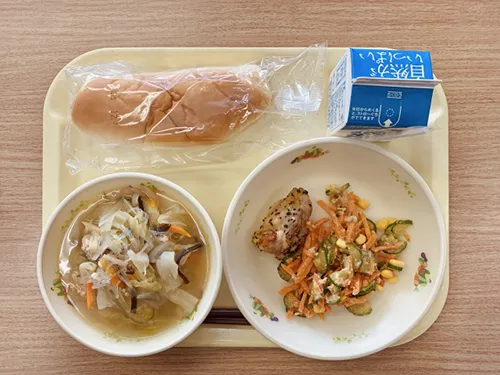
A standard elementary school lunch usually includes:
- A staple food (rice, bread, or noodles)
- A main dish with protein (fish, meat, eggs, or beans)
- One or two vegetable-based side dishes
- Soup
- Milk
Menus change daily and are planned by nutritionists. Seasonal ingredients are common, and many schools highlight local produce when possible.
Rice-based meals are frequent, but bread days still exist in many areas. Noodles such as udon or ramen-style soup appear occasionally, especially as a change of pace.
Portion Sizes and Adjustments
Portions are designed for the average child in each grade. Younger students receive smaller amounts, while upper grades get slightly more. That said, portion sizes are generally modest compared to restaurant meals.
Many schools allow children to request a smaller portion or ask for seconds. This is often handled quietly, without drawing attention. Teachers usually encourage children to try everything but are careful not to push too hard.
Who Serves the Food?
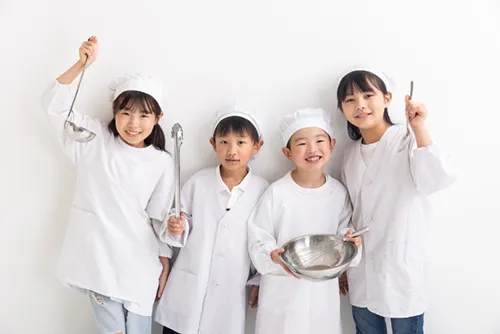
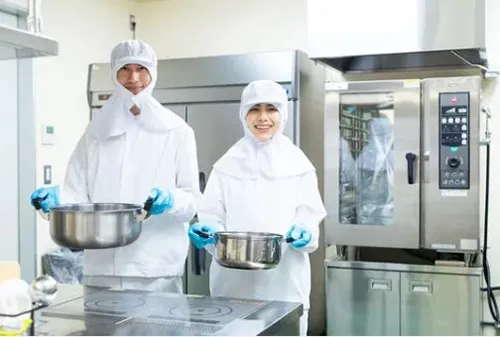
In most public elementary schools, students serve lunch themselves. Each class has a rotating lunch duty group (kyūshoku tōban). These students:
- Wear white coats, caps, and masks
- Carry food from the kitchen or hallway
- Serve classmates evenly
This system is meant to teach responsibility, hygiene, and teamwork. Teachers supervise but rarely take over unless there is a problem.
Where and How Kids Eat
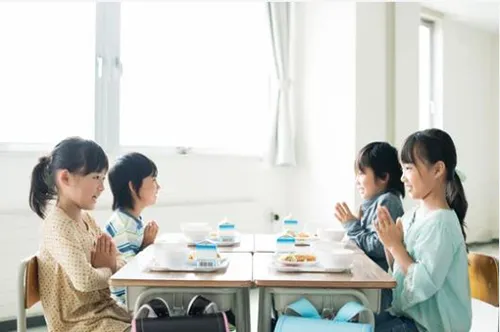
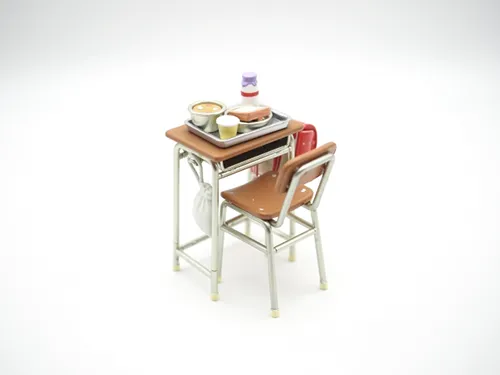
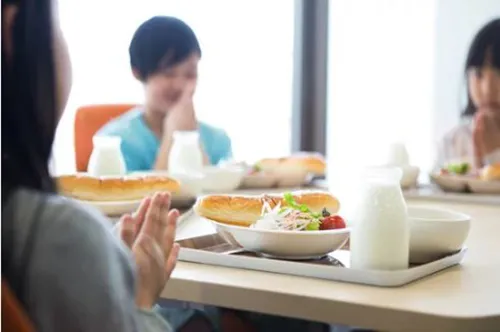
Lunch is usually eaten in the classroom, not in a cafeteria. Desks are often rearranged slightly so students can face the same direction or form small groups, depending on school policy.
Before eating, everyone says:
Itadakimasu
After finishing:
Gochisōsama deshita
These phrases express appreciation for the food and the people involved in making it.
How Allergies Are Handled in Japanese School Lunch
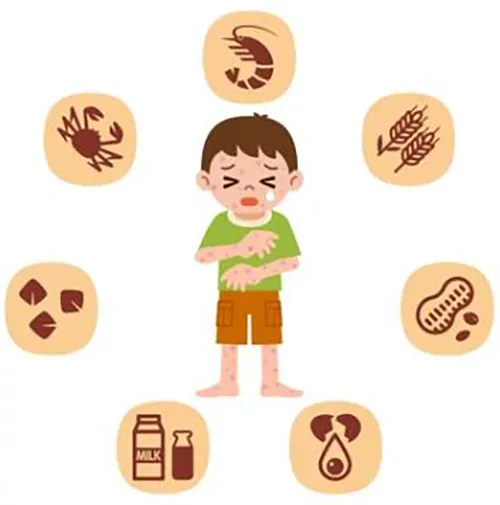
Food allergies are taken seriously, but the way they are handled may feel different depending on what you are used to.
Common Allergens in School Meals
Japanese school lunches often include:
- Milk
- Wheat
- Eggs
- Soy
- Fish and shellfish
Because milk is a regular item, dairy allergies receive particular attention.
Individual Allergy Plans
If a child has a diagnosed food allergy, parents submit medical documentation to the school. Based on this, the school decides what support is possible. Common approaches include:
- Removing the allergen from the child’s meal
- Providing a substitute item
- Asking families to provide a packed lunch on certain days
What is possible depends heavily on the school kitchen’s size, staffing, and system. Large centralized kitchens may have fewer customization options than smaller on-site kitchens.
Limits to Customization
Japanese school lunches are prepared in bulk. This means:
- Full menu substitutions are rare
- Multiple allergies can be difficult to accommodate
- Preferences (likes and dislikes) are not treated the same as allergies
Schools are generally clear about what they can and cannot do. When accommodation is limited, families are informed early so they can plan accordingly.
Communication with the School
Clear communication is important. Many schools provide monthly menus with allergen markings. Teachers also keep lists of students with allergies and double-check meals before eating starts.
In emergencies, schools are trained to respond, and many staff members receive basic allergy-response training, including how to use an epinephrine auto-injector if required.
Milk Rules in Japanese Schools (Can Kids Opt Out?)

Milk is one of the most talked-about parts of Japanese school lunch. Almost every meal includes a small carton of milk.
Why Milk Is Included
Milk is considered an easy and consistent source of:
- Calcium
- Protein
- Energy
Historically, milk became part of school lunch as a way to improve child nutrition nationwide. That practice continues today, even though eating habits have changed.
Is Milk Mandatory?
In many schools, milk is treated as a standard part of the meal, but this does not always mean it is strictly mandatory.
Children may be allowed to:
- Drink only part of it
- Skip it quietly
However, rules vary by school and sometimes by teacher. Some schools expect children to try drinking it unless there is a medical reason not to.
Opting Out for Medical Reasons
For children with:
- Milk allergies
- Lactose intolerance
Milk is usually removed, and sometimes replaced with another item. This requires documentation and prior approval.
Cultural Expectations Around Milk
Even when not strictly enforced, there can be a soft expectation that children drink their milk. Teachers often encourage it as part of finishing the meal, but attitudes have gradually become more flexible in recent years.
Japanese School Lunch Etiquette for Foreign Families
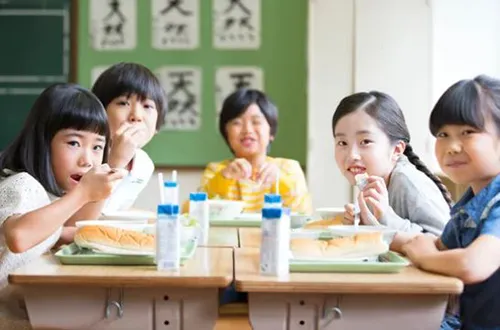
School lunch comes with unspoken rules that children learn naturally over time. For families unfamiliar with them, a little background helps.
Trying Everything (Even a Bite)
Children are usually encouraged to try all dishes, even foods they think they dislike. The idea is exposure, not pressure. Many teachers use phrases like:
- “Just one bite is okay”
- “You don’t have to finish it all”
Completely refusing food without a reason is generally discouraged, but forcing children to eat has become less common than in the past.
Eating at the Same Pace
Lunch time is scheduled, and everyone starts and finishes together as much as possible. Children who eat very slowly may be gently encouraged to keep going so the class can clean up on time.
Clean-Up Is Part of Lunch
After eating, students:
- Return trays and utensils
- Wipe desks
- Brush their teeth (in many schools)
This routine is calm and practical, and teachers treat it as a normal part of the school day.
Talking and Manners
Talking during lunch is allowed, but shouting or leaving seats unnecessarily is discouraged. The atmosphere is relaxed but structured.
Seasonal and Special School Lunches
Throughout the year, special meals appear.
Seasonal Menus
Menus often reflect:
- Seasonal vegetables
- Local specialties
- Traditional foods linked to events
For example, you might see special dishes around New Year, Setsubun, or other cultural moments.
Event Days
Some schools hold:
- International food days
- Local food education days
These meals are still simple but offer variety and learning opportunities.
Common Questions About Japanese School Lunch (Q&A)
Q1. Can parents see the lunch menu in advance?
Yes. Most schools provide monthly menus, often with ingredient lists and allergen information. These are usually sent home in print or shared online.
Q2. Can children bring lunch from home instead?
In public elementary schools, bringing a packed lunch is uncommon and usually only allowed for medical or special reasons. On regular days, school lunch is the default.
Q3. What if my child really dislikes certain foods?
Disliking food is common. Teachers usually encourage trying small amounts, but serious struggles can be discussed with the school. Over time, many children adapt.
Q4. Are school lunches the same across Japan?
The overall structure is similar, but menus vary by region, city, and even by school. Local ingredients and budgets influence what is served.
Typical Allergy Support Options
Below is a simple overview table. It is provided separately in HTML format so it can be displayed in a mobile-friendly, scrollable layout if needed.
| Situation | Common School Response |
|---|---|
| Single, common allergy (e.g. milk) | Item removed or replaced after consulting the school |
| Multiple or complex allergies | Partial support or home-packed lunch |
| Mild intolerance | Case-by-case discussion with teacher |
| Food preference (no allergy) | No substitution; encouraged to try |
Summary: Understanding School Lunch as Part of Daily Life
Japanese school lunch is less about choice and more about shared experience. Meals are designed to be balanced, predictable, and educational, helping children learn routines, cooperation, and basic food awareness.
For families new to the system, some rules—like milk being served every day or limited menu customization—can feel unfamiliar. However, once you see how lunch fits into the broader school day, it becomes easier to understand why it works the way it does.
With clear communication and realistic expectations, school lunch usually becomes just another steady, ordinary part of life in Japan—and for many children, a quietly comforting one.
Thank you for reading.

Create Memories with Your Kids