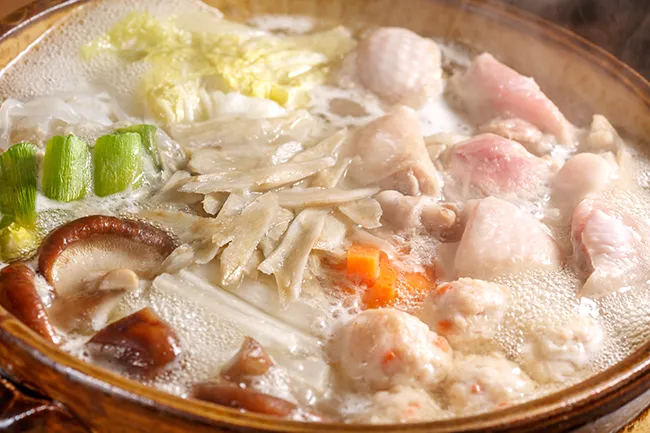
Chankonabe (ちゃんこ鍋) is one of Japan’s most comforting and communal dishes — a generous one-pot meal full of protein, vegetables, and umami-rich broth. Often associated with sumo wrestlers, this humble hotpot has a surprising variety, a long history, and a culture of preparation that is as important as the ingredients themselves. Chankonabe blends rich flavor, cultural tradition, and athletic history. This article explores its origins, the reasons it became essential to sumo wrestlers, the ingredients that define it, the unique cooking style used in sumo stables, and the best places to enjoy a bowl today.
(This article contains affiliate links. As an Amazon Associate, we may earn from qualifying purchases.)
What Is Chankonabe?

Originally, “chanko” referred to all meals prepared in a sumo stable, not just hotpot dishes. Over time, however, the representative hotpot became widely known as chankonabe. It’s a simmered, shared stew cooked in a large pot at the center of the table and served communally. What sets chankonabe apart is its purpose and flexibility: it’s intentionally caloric and protein-rich to help sumo wrestlers gain mass and recover from intense training, but there’s no single fixed recipe. Instead, chankonabe is a concept: a broth base plus generous amounts of meat, seafood, tofu, and seasonal vegetables, boiled together and eaten with rice or noodles.
Why Do Sumo Wrestlers Eat Chankonabe?
1. Fuel for Growth and Recovery
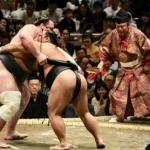
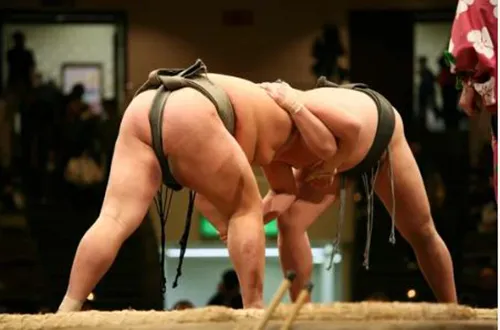
Sumo training is extremely demanding — hours of shiko (stomping), sparring, practice drills, and strength work. To build and maintain the mass required for the sport, rikishi (sumo wrestlers) need a lot of calories and protein. Chankonabe provides both in a balanced, digestible form: meats and fish for protein, tofu for plant-based protein, and starchy vegetables or rice for carbohydrates.
2. Efficient Group Dining
Chankonabe is very efficient for feeding many people at once. In a sumo heya (stable), dozens of rikishi and staff can dine from the same large pot, sharing the same flavors and portions. This communal eating reinforces team spirit and hierarchy — senior wrestlers often serve and junior wrestlers eat after them.
3. Nutritious and Flexible
Because it’s cooked in a broth with plenty of vegetables, chankonabe delivers vitamins and minerals alongside calories. Chefs can tweak ingredients to address injuries, training demands, or seasonal produce — making it an adaptable staple for the ever-changing needs of athletes.
The History of Chankonabe
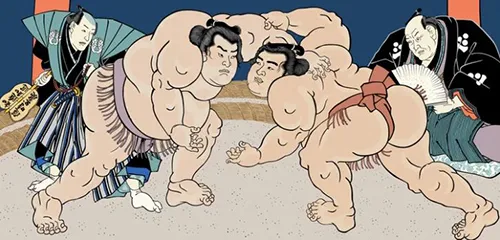
Chankonabe’s roots lie in the communal food culture surrounding sumo stables centuries ago. Sumo’s professional form began to solidify in the Edo period (1603–1868), and the practice of feeding wrestlers hearty, shareable stews followed naturally from the group living arrangement. Over time, chankonabe moved from a strictly private, functional dish in stables to a public culinary tradition. Restaurants specializing in chankonabe began appearing in cities such as Tokyo and Osaka, offering civilians a taste of sumo life. The dish evolved regionally and by stable — some favor chicken, others seafood, miso, or soy-based broths — but the core idea remained: a big, warming, nourishing pot for many mouths.
What’s in Chankonabe? Typical Ingredients and Variations
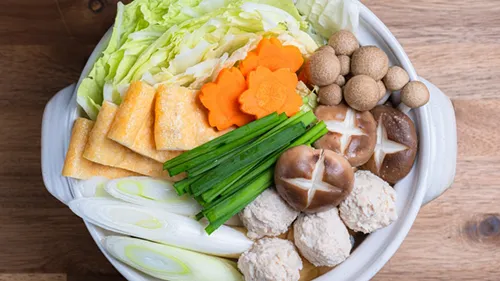
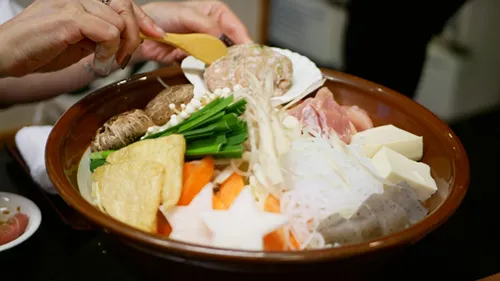
Chankonabe is famously flexible. Below are common components and popular variations you’ll encounter.
Broth Bases
- Dashi + Soy (Shoyu): Clear, savory, and light; highlights ingredients’ natural flavors.
- Miso: Richer and slightly sweet, with deeper umami.
- Salt (Shio) or Plain Dashi: Clean and delicate, often used to showcase premium seafood.
- Chicken Stock Base: Thick, comforting, and caloric — popular in many stables.
Proteins
- Chicken (most traditional in many stables): Bone-in cuts add depth to the broth.
- Pork and Beef: Used in more modern variations or restaurant menus.
- Seafood: Fish, shrimp, scallops — common near coasts and in seafood-focused chanko.
- Tofu and Aburaage (fried tofu pockets): Add texture and extra protein.
- Meatballs or Tsukune (chicken meatballs): Soft, juicy bites that absorb broth flavor.
Vegetables and Add-ins
- Napa cabbage, bok choy, or Chinese cabbage
- Daikon (Japanese radish) and carrots
- Shiitake and enoki mushrooms
- Leeks or negi (Japanese green onion)
- Konnyaku or shirataki noodles, udon or mochi (for soak-up carbs)
- Seasonal greens (spinach, komatsuna, chrysanthemum leaves)
Flavoring and Condiments
- Soy sauce, miso, sake, mirin
- Grated ginger, garlic
- Ponzu or yuzu citrus for finishing
- Shichimi (seven-spice) for heat
Because everything is cooked together, the broth becomes a tapestry of all those flavors. It’s common to finish the meal by adding rice or noodles into the remaining broth, making a near-universally adored second course.
How Does Chankonabe Taste?
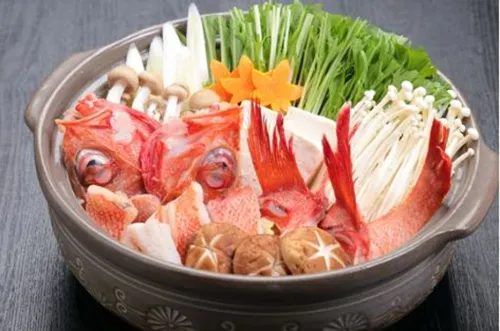
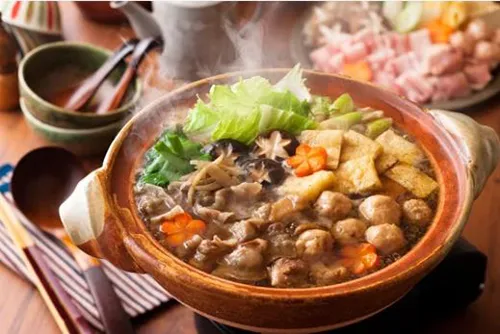
Chankonabe has a savory, umami-centered flavor profile that varies depending on the broth. A dashi–soy base produces a clear and light taste, while miso or chicken stock results in a richer and deeper flavor. As the ingredients simmer together, the broth absorbs the essence of vegetables, meat, tofu, and seasonings, creating a well-balanced blend. The dish offers a range of textures, including tender meat, firm konnyaku, soft tofu, and lightly cooked cabbage. Because the pot continues to simmer during the meal, the flavors gradually develop as ingredients are added and cooked.
If you appreciate broth-forward cooking (think hot pot, oden, or Vietnamese pho), chankonabe will likely feel familiar yet uniquely Japanese in its balance of simplicity and richness.
Who Makes Chankonabe in a Sumo Stable?
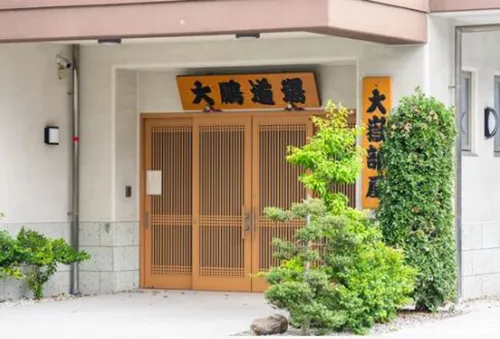
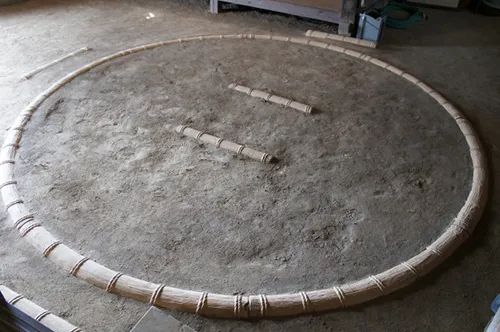
Within a sumo heya, the preparation and dining are as ritualized as training.
Roles and Routine
- Stablemaster (Oyakata): Oversees overall dietary policies but typically does not cook day-to-day.
- Senior Wrestlers (Sekitori): Often share responsibilities such as supervising meals or serving juniors; in some stables they contribute cooking skills.
- Junior Wrestlers (Deshi/Mawashi-ranked lower): Usually handle most of the cooking and kitchen chores. Preparing chankonabe is part of their daily duties and a form of apprenticeship.
- Cook or Staff (if present): Larger or well-funded stables may employ a dedicated cook who plans menus and prepares chankonabe.
Where Can You Eat Chankonabe?

Chankonabe has moved from stable-only fare to popular restaurant menus and home kitchens across Japan and the world.
In Japan
- Chanko Restaurants: Many eateries in Tokyo (notably in Ryogoku, the sumo district) specialize in chankonabe. These places often have menus listing broth types (miso, soy, salt) and ingredient sets.
- Izakayas and Nabe Shops: Seasonal hotpot menus commonly include chanko-style options during colder months.
- Sumo Stable Visits: Some stables may host guests for events or specially arranged meals — but these are rare and usually require connections or invitations.
Outside Japan
- Japanese Restaurants: In cities with sizable Japanese communities, you might find chanko on menus or as a special hotpot option.
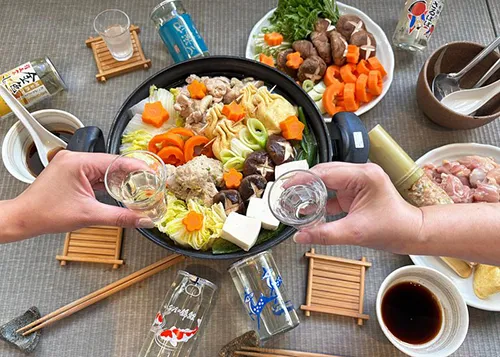
- Home Cooking: Chankonabe is surprisingly straightforward to make at home — pick a broth, gather proteins and veggies, and simmer. It’s perfect for dinner parties because it feeds many and invites communal participation.
When dining out, look for establishments advertising “chanko” or “sumo hotpot” — expect a social, hearty experience rather than a delicate one.
Tips for Enjoying and Making Chankonabe at Home
- Start with a Solid Stock: A fragrant dashi or chicken stock will lift all ingredients.
- Balance Textures: Include at least one firm protein, one silky element (tofu), and crisp greens.
- Don’t Overcrowd the Pot: Cook in batches if necessary so everything simmers evenly.
- Serve with Rice or Udon: Both transform leftover broth into a satisfying finish.
- Adjust Salt Gradually: Ingredients like soy and miso can concentrate as broth reduces.
- Personalize It: Use local seasonal vegetables, or add a citrusy ponzu for brightness.
Final Thoughts
Chankonabe is a straightforward yet meaningful dish that reflects the shared lifestyle of sumo stables and the practical need for balanced, nourishing meals. Whether enjoyed at a chanko restaurant in Ryogoku or prepared at home, it offers a clear example of how simple ingredients come together to create a satisfying, hearty hotpot. Sitting around a simmering pot also highlights the communal aspect of the dish, a feature that has long been part of its role in sumo culture and continues to make it appealing to many today.・
Thank you for reading!
→You can easily make Chanko Nabe at home.
→If you want to make authentic Chanko Nabe from scratch, this is the dashi to use.