If you’ve recently moved to Japan or are planning to raise a child here, you might be wondering what daycare is actually like. What do children do all day? How much care do they receive? And how different is it from what you’re used to?
Japanese daycare centers (hoikuen) are known for being safe, organized, and surprisingly thorough when it comes to daily care. From meals and naps to playtime and seasonal events, they cover a lot more than many people expect. In this guide, we’ll walk through a typical day and explain what kind of support your child will receive along the way.
(This article contains affiliate links. As an Amazon Associate, we may earn from qualifying purchases.)
What Is a Japanese Daycare (Hoikuen)?
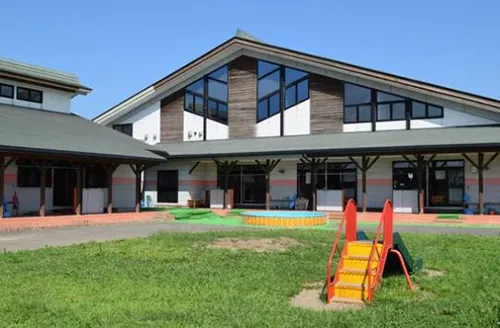
A hoikuen is a government-regulated childcare facility designed primarily for working families. Children can usually attend from a few months old up to preschool age (around 5–6 years old). These centers focus on both care and early development, but compared to kindergartens, they lean more toward daily life support rather than formal academics.
They are known for being organized, safe, and consistent, with clear routines that help children feel secure.
A Typical Day at a Japanese Daycare
While schedules vary slightly depending on the age group and the specific daycare, most follow a similar rhythm.
1. Morning Drop-off and Health Check

Parents usually drop off their children between 7:00 and 9:00 a.m. When you arrive, a teacher will briefly check your child’s condition. This includes:
- Body temperature (some centers require parents to check it at home)
- General mood and energy
- Notes about sleep, meals, or health from home
Communication notebooks or apps are often used to share this information daily.
2. Free Play Time
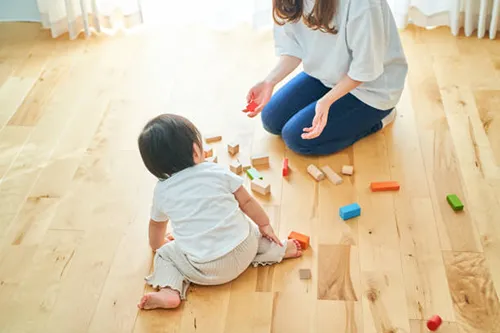
After arrival, children have free play time. This is not just “playing around”—it’s an important part of social and emotional development.
Activities may include:
- Building blocks and puzzles
- Drawing or simple crafts
- Pretend play with toys
- Reading picture books
Teachers observe and gently guide interactions rather than strictly directing play.
3. Morning Circle and Structured Activities
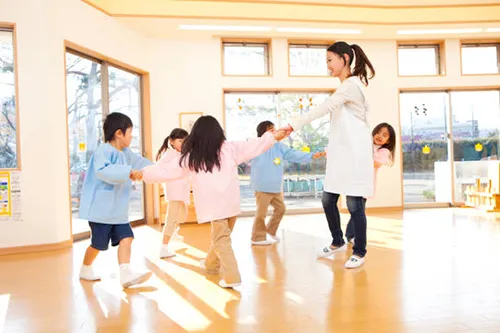
Later in the morning, children gather for a short group session. This might include:
- Greeting songs
- Simple discussions (weather, day of the week)
- Storytime
After that, structured activities begin. These vary by age:
- Younger children: sensory play, music, simple movement
- Older children: crafts, basic counting, rhythm exercises, and group games
Japanese daycare focuses on learning through routine and experience rather than formal lessons.
4. Outdoor Play or Walks
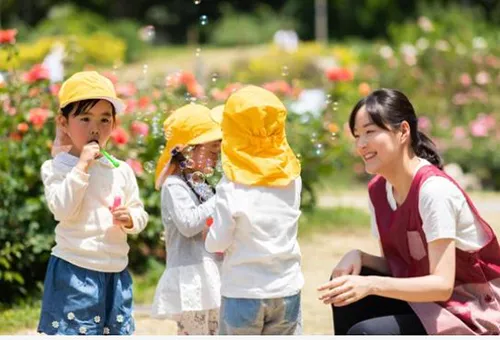
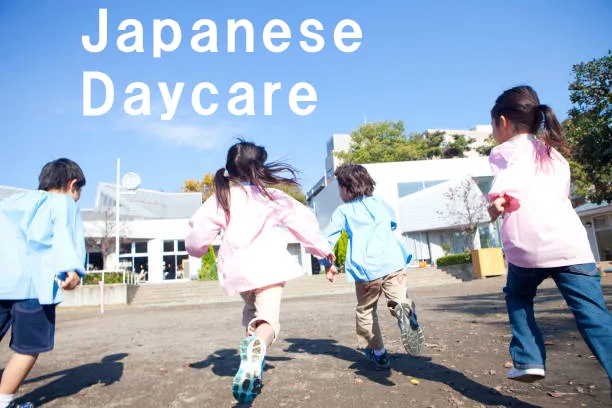
Most daycare centers include outdoor time almost every day, weather permitting.
This can involve:
- Playing in a yard or playground
- Short walks around the neighborhood
- Visiting nearby parks
Children often wear matching hats for safety and easy identification. Even in cities, outdoor time is considered essential.
Meals, Milk, and Nutrition
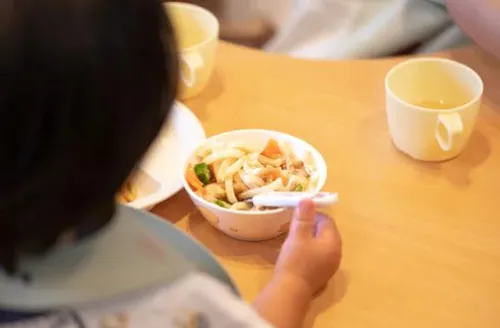
Food is a major part of daycare life in Japan, and standards are quite high.
Lunch
Lunch is usually freshly prepared at the facility or delivered from a central kitchen. Meals are designed to be balanced and nutritious, often including:
- Rice or bread
- Soup
- Fish or meat
- Vegetables
Teachers help younger children eat and encourage older ones to eat independently.
Milk and Snacks
- Infants are given formula or breast milk according to their schedule
- Toddlers and older children receive snacks (usually twice a day)
Snacks are simple and healthy—fruit, rice crackers, or small homemade items.
Allergy Support
If your child has food allergies, daycare centers take this very seriously. You will need to provide medical documentation, and the center will:
- Adjust meals or provide alternatives
- Clearly label your child’s food
- Monitor closely during meals
Some centers may ask parents to provide special meals depending on the severity of the allergy.
Diaper Changing and Hygiene
Daycare staff handle all basic care needs, especially for younger children.
- Diapers are changed regularly throughout the day
- Many centers track diaper changes and inform parents
- Toilet training is supported step by step, in cooperation with parents
Hygiene is a big priority. Children are encouraged to:
- Wash hands frequently
- Learn basic cleanliness habits
- Keep personal items organized
Nap Time
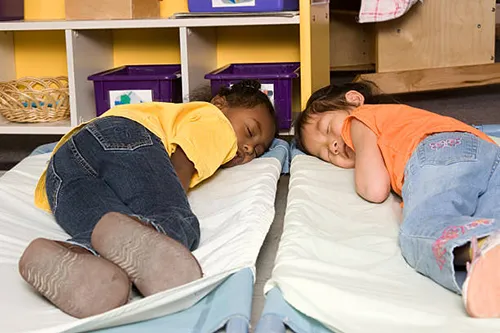
Nap time is a standard part of the day, especially for younger children.
- Usually occurs after lunch
- Children sleep on futons placed on the floor
- The room is kept quiet and dim
Teachers stay nearby to supervise and ensure safety. Even older children may have a short rest period.
Education and Development Approach

Japanese daycare centers don’t focus heavily on academics like reading or writing at an early age. Instead, they emphasize:
- Social skills (sharing, cooperation)
- Emotional development
- Physical activity
- Daily life habits
Children learn through repetition and group experience rather than structured lessons. This approach helps build independence and group awareness.
Special Activities and Events
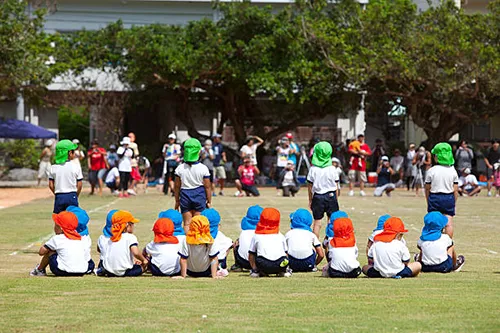
Throughout the year, daycare centers organize events that add variety and excitement.
Gradual Adjustment Period (Nara-shi Hoiku)
When a child first starts daycare, there is usually a transition period.
- Starts with short stays (1–2 hours)
- Gradually increases over 1–2 weeks
- Helps the child adapt without stress
Parents may need to adjust their schedules during this time.
Field Trips (Ensoku)
Older children sometimes go on short trips:
- Nearby parks or nature areas
- Simple outings to experience seasons
These are carefully planned and supervised.
Overnight Stay (Otomari Hoiku)
Some daycare centers offer overnight events for older children (usually the oldest class).
- Children stay one night at the daycare
- Includes dinner, games, and group activities
This is meant to build independence and confidence.
Seasonal Events
Typical events include:
- Sports day
- Cultural festivals
- Graduation ceremonies
These events often involve parents and give a glimpse into daily life at the daycare.
Communication with Parents

Communication is taken seriously and happens daily.
- Written notebooks or digital apps track meals, naps, and activities
- Teachers share updates at pick-up time
- Parents can report health or schedule changes
This consistent communication helps build trust.
Frequently Asked Questions (Q&A)
1. Do daycare centers in Japan speak English?
Most public daycare centers operate primarily in Japanese. Some private or international centers may offer English support, but it depends on the facility.
2. What should my child bring?
Typically:
- Extra clothes
- Diapers and wipes
- Towels
- Lunch items (if required)
All items usually need to be labeled with your child’s name.
3. Are sick children allowed to attend?
No. If your child has a fever or contagious illness, they must stay home. Some areas have special sick-child daycare services.
4. How strict are the schedules?
Schedules are structured but not rigid. Teachers adapt to each child’s needs, especially for infants.
5. Is discipline strict?
Discipline focuses more on guidance than punishment. Children are encouraged to understand group behavior and develop self-control.
6. Can parents visit or observe?
Policies vary. Some centers allow occasional observation days or participation in events.

Final Thoughts
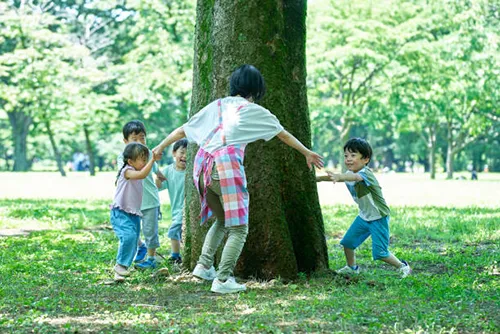
Japanese daycare centers provide more than just supervision—they create a stable environment where children can grow through routine, play, and shared experiences. From meals and naps to outdoor activities and seasonal events, everything is designed to support both the child’s development and the parent’s peace of mind.
If you’re living in Japan as a foreign resident, understanding how hoikuen works can make the transition much smoother. Once you get used to the system, many families find it dependable, thoughtful, and well-organized.
Thank you for reading.